Alejandro
Varela
Artist
About Alejandro
Alejandro Varela paints the human figure and the landscape as emotional territories places where material, time, and fragility leave a mark. He works on wood and canvas, in mixed media, and what interests him isn’t likeness or describing a place, but what a face or an atmosphere can hold when you look at it slowly.
Before painting there was architecture. Varela trained as an architect at the University of Buenos Aires, and from those years he kept something that’s still in his work: the weight of material, balance, the relationship between form and space. But there was something more intimate that architecture couldn’t say, and painting became the place where he could say it. The decision to do this for real didn’t happen overnight; it came on gradually, until painting stopped being something he did on the side and became the main way he made sense of the world. The years in the studio with Roberto Bosco and Alberto Ferrara settled that for good.
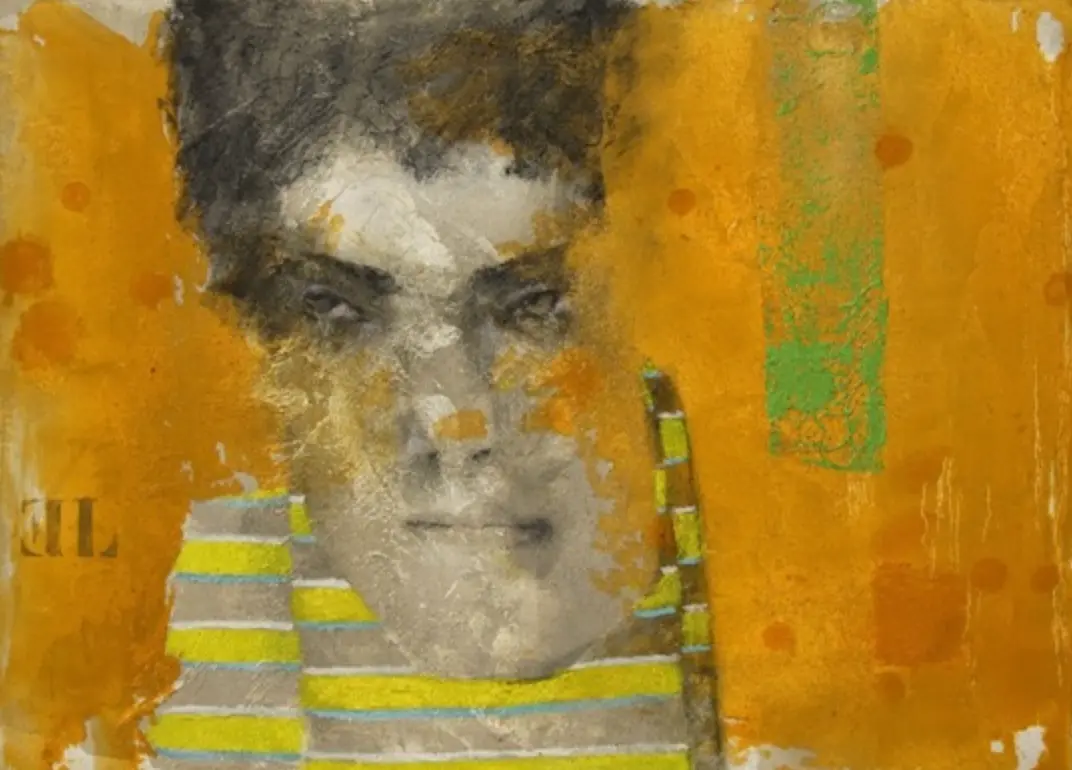
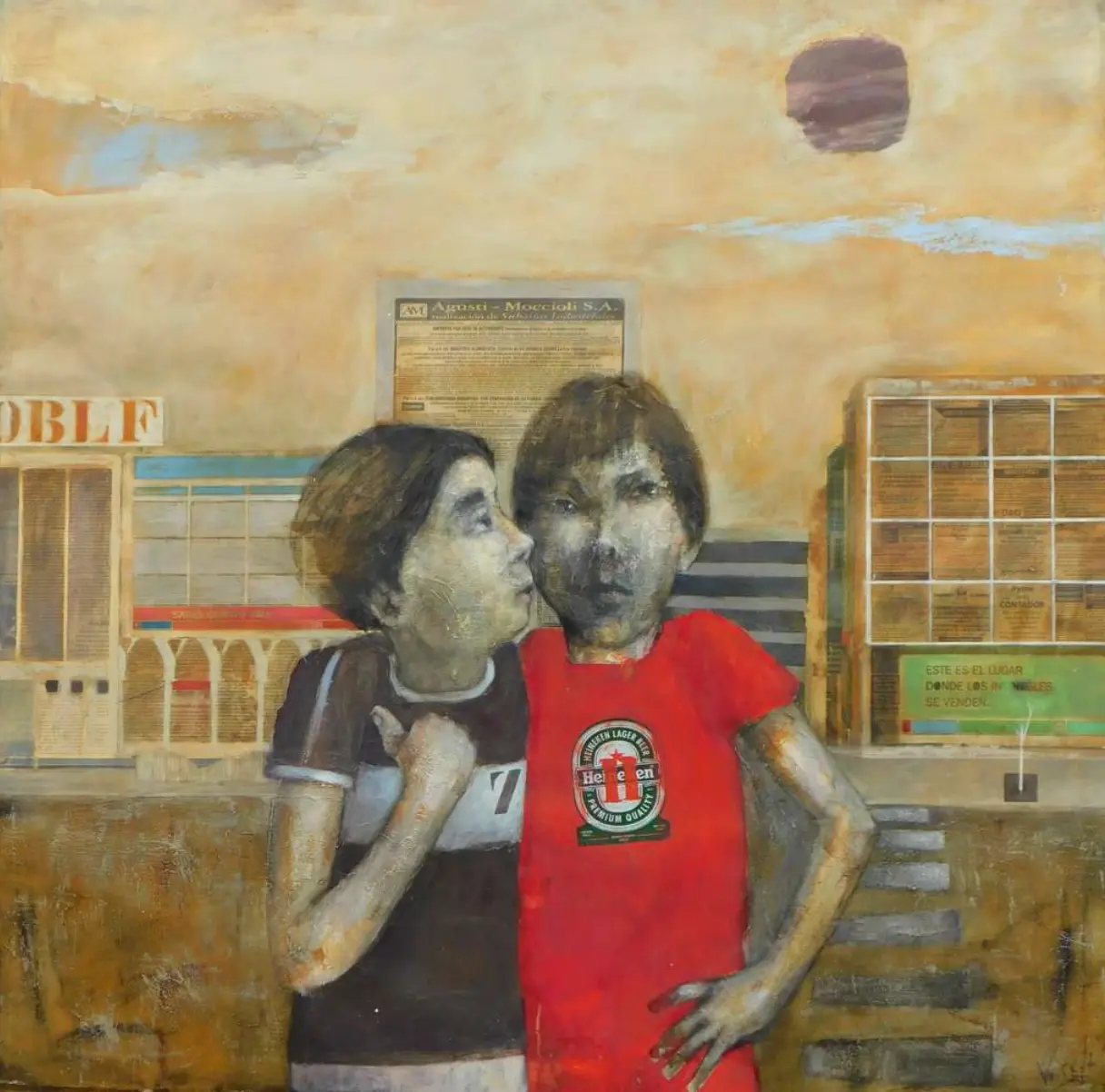
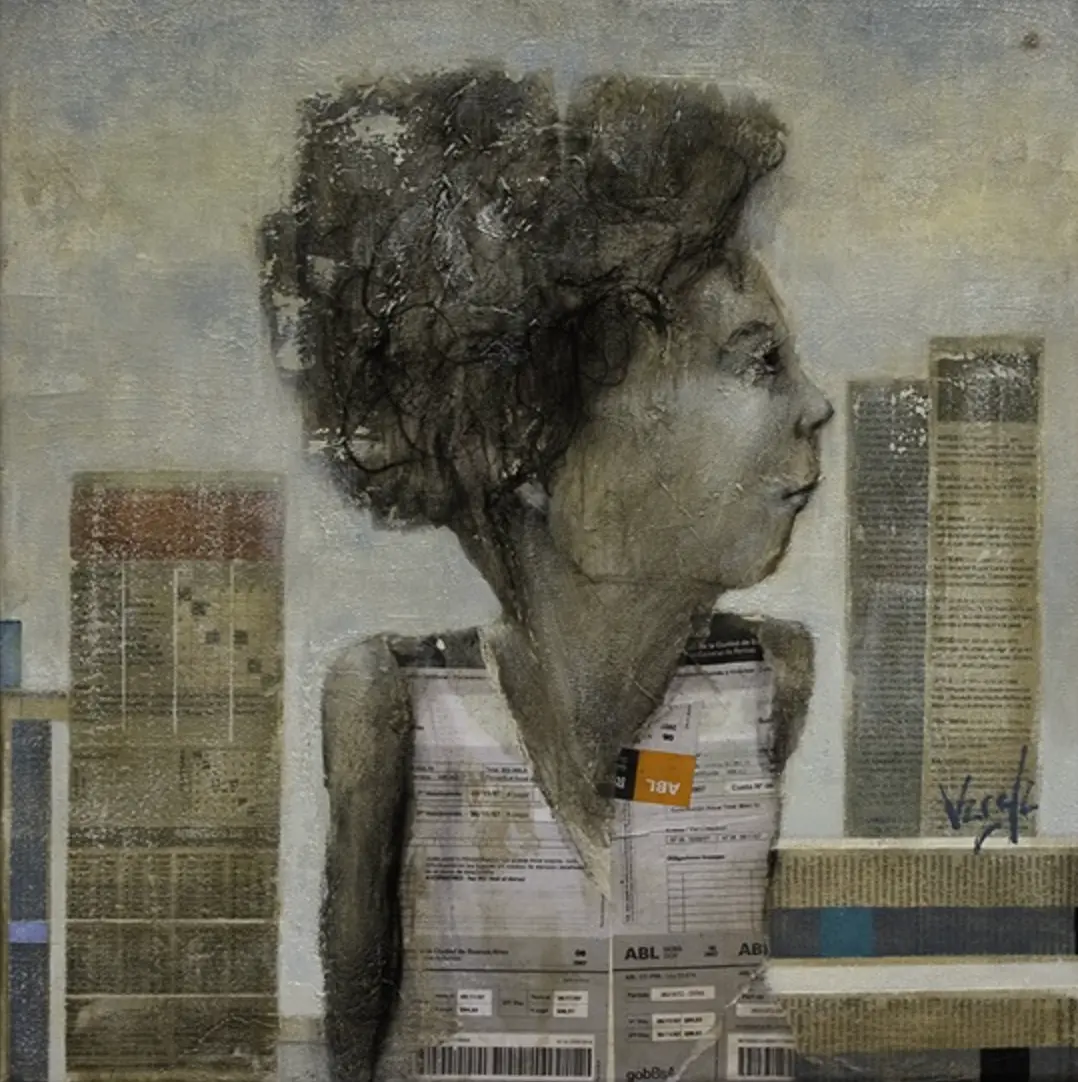
The way he works has a lot to do with time. His pieces tend to start from an image that keeps echoing a small expression, a posture, a certain light and even though he begins from his own sketches and photographs, the painting moves away from that reference quickly. More than executing a fixed idea, what he does is figure out what wants to appear. That’s why he protects what he calls the inner time of a painting: he doesn’t work from the anxiety of producing, or from the fast logic of today’s visual consumption. Some pieces need months of silence before they find their form. Over the years he kept stripping away what wasn’t needed, moving toward a painting that’s more essential and more direct especially in portraiture, which for him is an emotional territory more than a descriptive one.
The thing about his work is that it doesn’t exhaust itself in the first look. These aren’t images built for instant impact; they work more like quiet presences that slowly reveal new things over time. They’re best seen in spaces with natural light and a certain calm, and they connect most with people who want to live with a piece, not just hang it. Varela says that at one show, someone stood in front of a portrait for a long time without saying anything, and later came back to tell him the work reminded him of someone he’d lost years before. It wasn’t a literal resemblance; it was something emotional, hard to explain. For him, a moment like that is proof that painting can still create connections that run that deep.
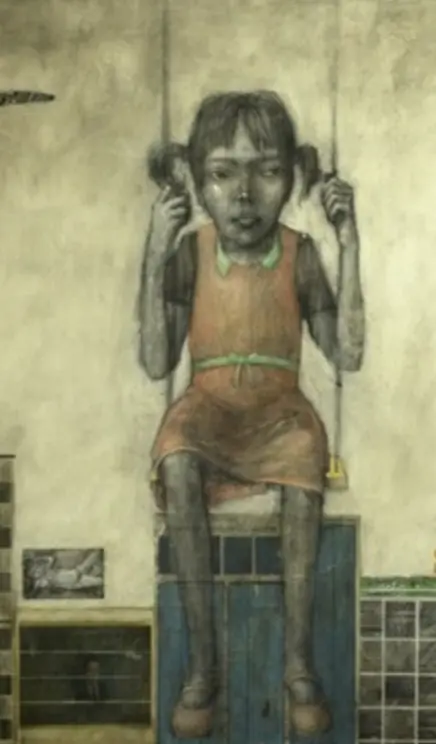
His work has traveled through galleries and fairs in Argentina, Italy, Spain, the United States, and Peru, and today it lives mostly in private collections at home and abroad. But more than the list of shows, what matters to Varela is the sustained path of the work and the bond it builds with whoever keeps it close. Right now he’s deepening a series of portraits and landscapes where material and surface take on more and more presence.
What keeps him up at night is how to hold on to honesty and depth at a moment when speed and overexposure seem to count for more than the real time a piece takes. So when someone comes across his work for the first time, what he asks is simple: that they understand there’s a deeply human search behind every painting.