Carlos
Terrasolo
Artist
About Carlos
Carlos Tessarolo paints the figure and color as a way of turning whatever happens on an ordinary day something he saw on the street, a conversation, a piece of music into energy and emotion. He’s an Argentine painter, one of those who treat the craft as something daily and total, and he’s been doing it for practically his whole life. He grew up among brushes, stretchers and painting studios; his father, Héctor Tessarolo, was a defining figure, and from very early on his days were spent among artists, salons and long afternoons of painting. For him, painting was never something external it was part of everyday life. By eight he was already entering competitions, and at thirteen he had his first exhibition.
His real training began alongside his father and in the company of some of the foundational names in Argentine art. He studied at the Sociedad Estímulo de Bellas Artes and learned from masters like Enrique Policastro and Demetrio Urruchúa. From Antonio Berni he took a feel for humanity and narrative force; Tessarolo says that as a boy he even modeled for him. That root La Boca, the craft, the vital relationship with painting is still very present in what he does. What did change over the years was the freedom: the work grew looser, more intense, less bound to academic rules.
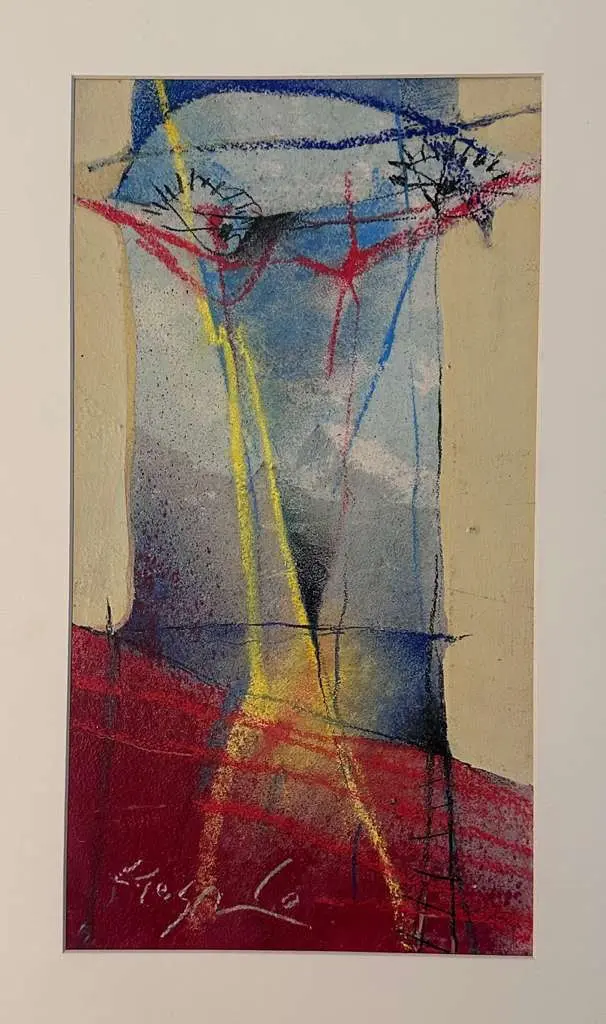
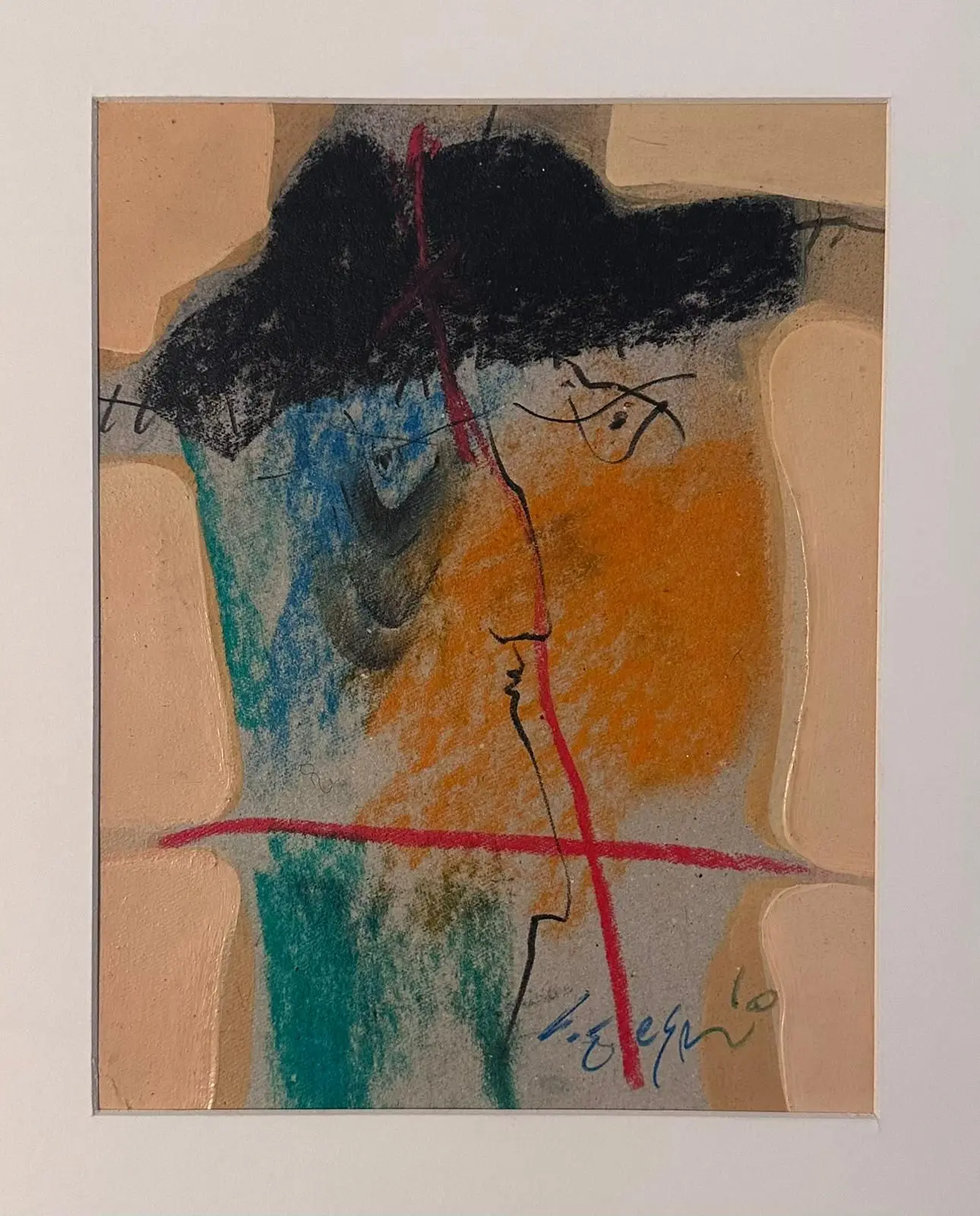
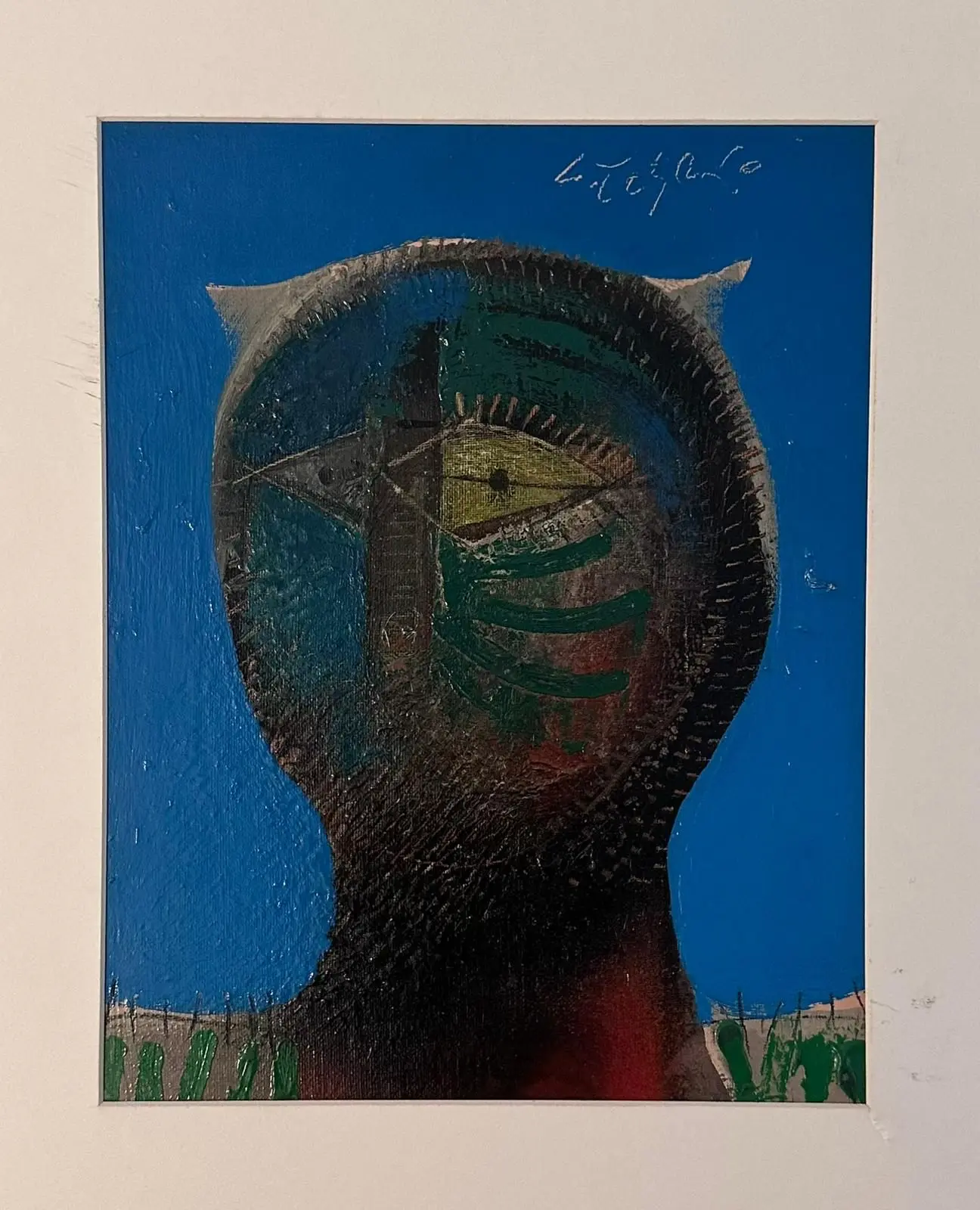
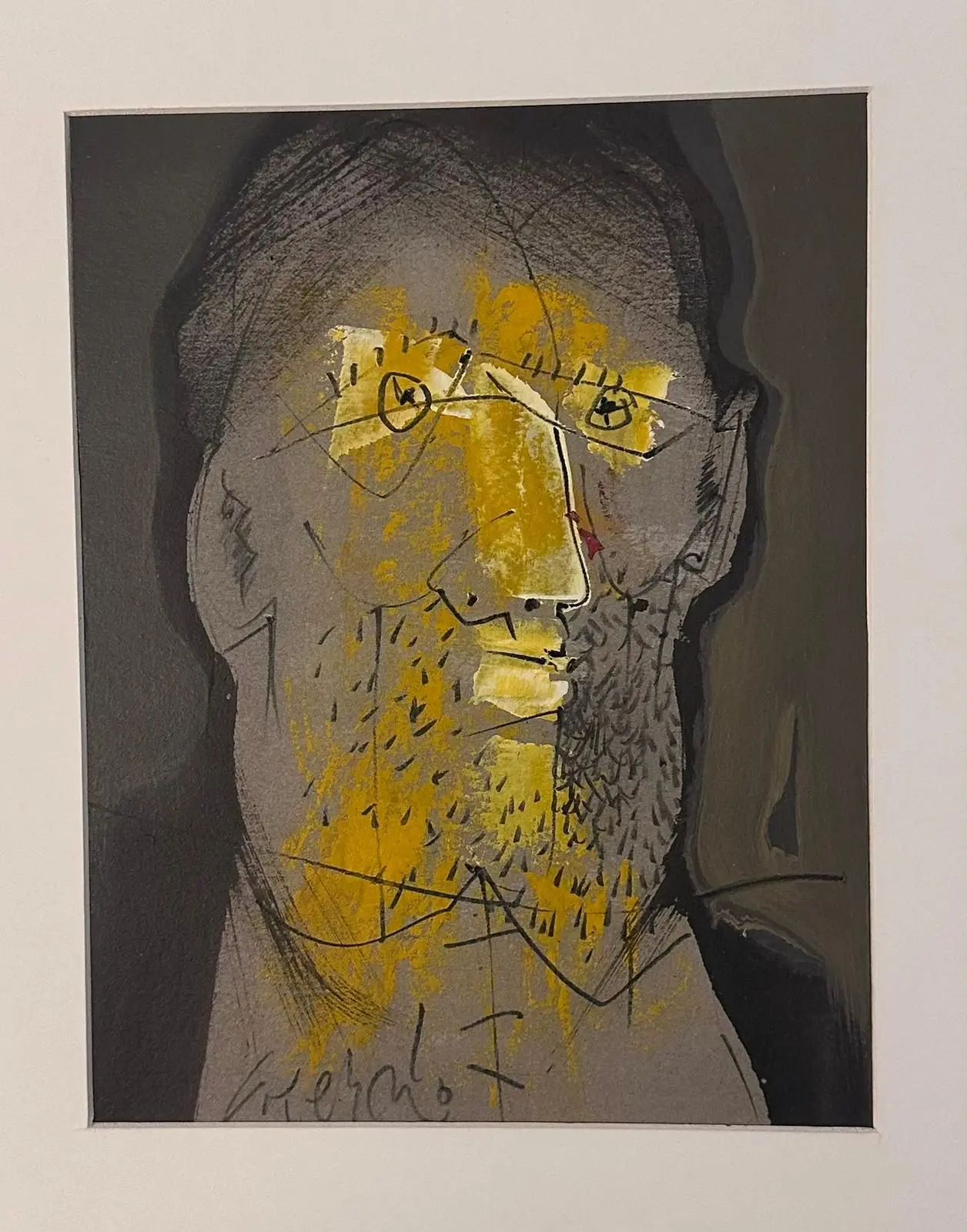
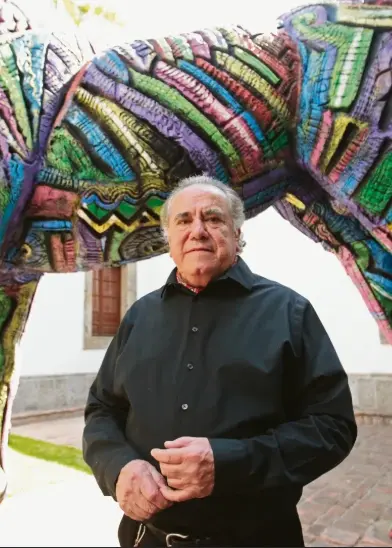
He works mostly with oil, drawing, wood and cardboard, and almost always starts from a strong visual hunch. A figure, a physical sensation in front of a color, something he saw or heard and from there he lets the painting find its own movement. What matters to him is that the image keeps its vitality, that it doesn’t go still. It’s something he protects even when it costs him: he was never interested in fitting his painting to trends, or dialing down its intensity to make it more “correct.”
When someone lives with one of his pieces, what he’s after is for the color to keep breathing in the space over time, for each new look to find a detail it missed before. His work shows best where there’s good light and a certain intensity, and the first thing it tends to provoke is an immediate, almost physical reaction that later settles into a longer relationship. It connects most with people who are sensitive to color, and to painting understood as a living experience rather than a decorative object.
Today he paints on small surfaces, cardboard and wood, because Parkinson’s no longer allows him the larger formats. He still paints every day, with the same need he’s always had. He belongs to a generation that understood painting as a daily, complete practice, and that constancy is exactly what you feel in each piece: the craft of someone who has been painting for more than sixty years, with work in museums and collections across several countries, and who never stopped believing that art can still stir real emotion. What he wants people to understand when they see his work is simple: that painting can still carry human energy and truth without losing intensity or craft.