Fabian
Larosa
Artist
About Fabian
Fabián Larosa grew up among the landscapes of southern Argentina, and that ended up shaping almost everything that came after. The mountains, the silence, the sheer physical experience of standing in front of nature in San Martín de los Andes: that’s where he learned to look, long before he learned to paint. Well before he thought about exhibitions or a career, he already had the habit of observing, recording and turning what he saw into images.
His painting runs nature, consciousness, politics and human experience through a single canvas. He doesn’t start from a fixed idea and then execute it; the work grows out of walks, reading, memories and half-intuitive connections between images that, at first glance, have nothing to do with each other. Fabián says he lets the painting find its own internal logic as it happens, and that it matters to him that the process stays alive that the work can still surprise him while he’s making it.
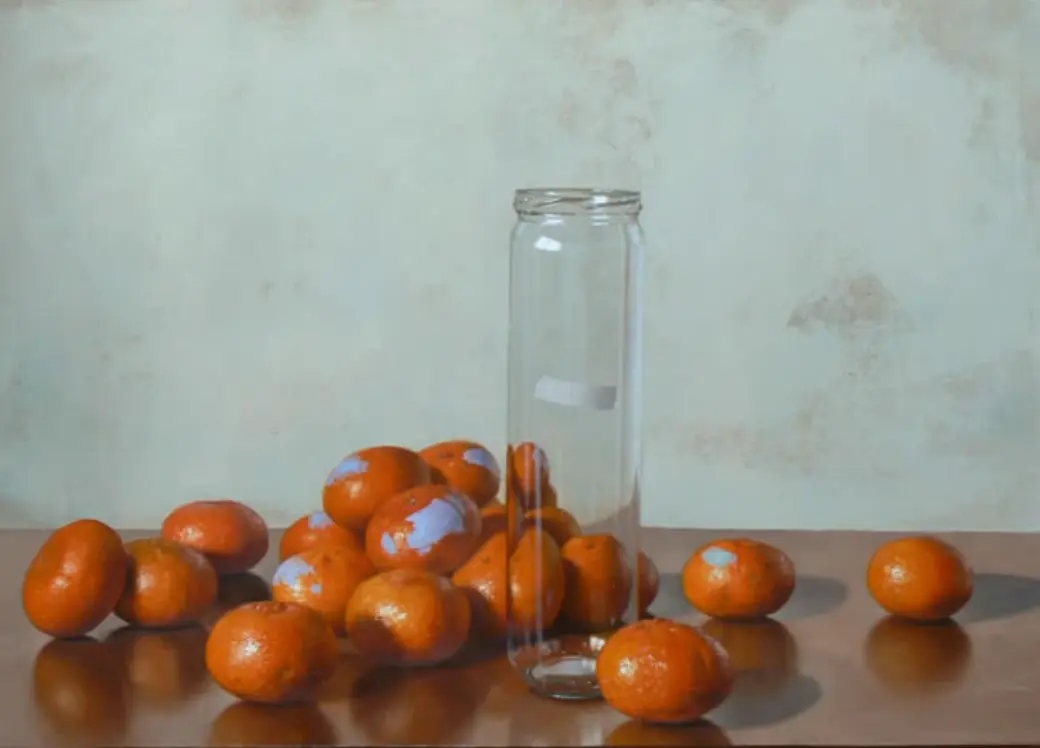
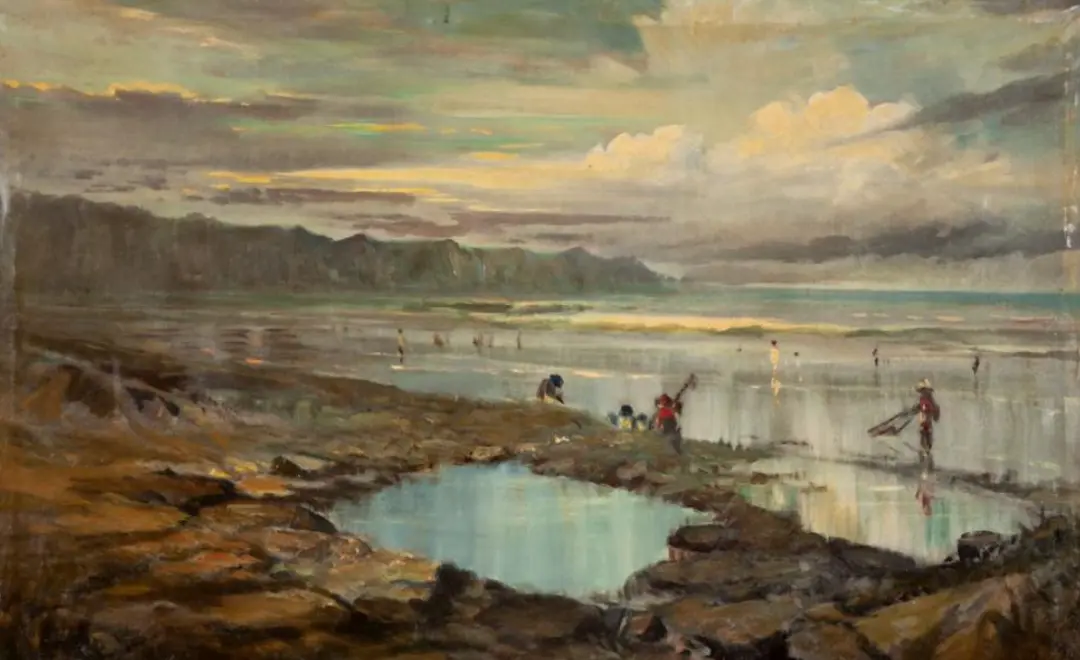
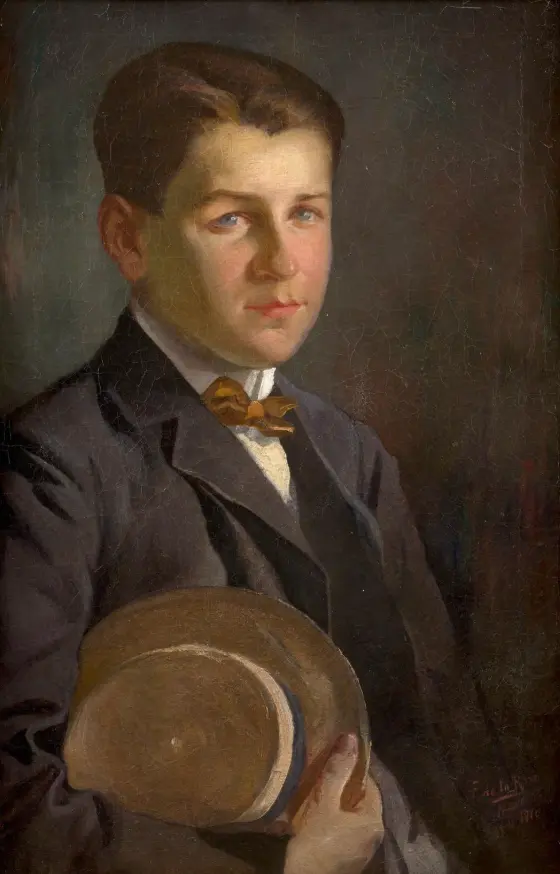
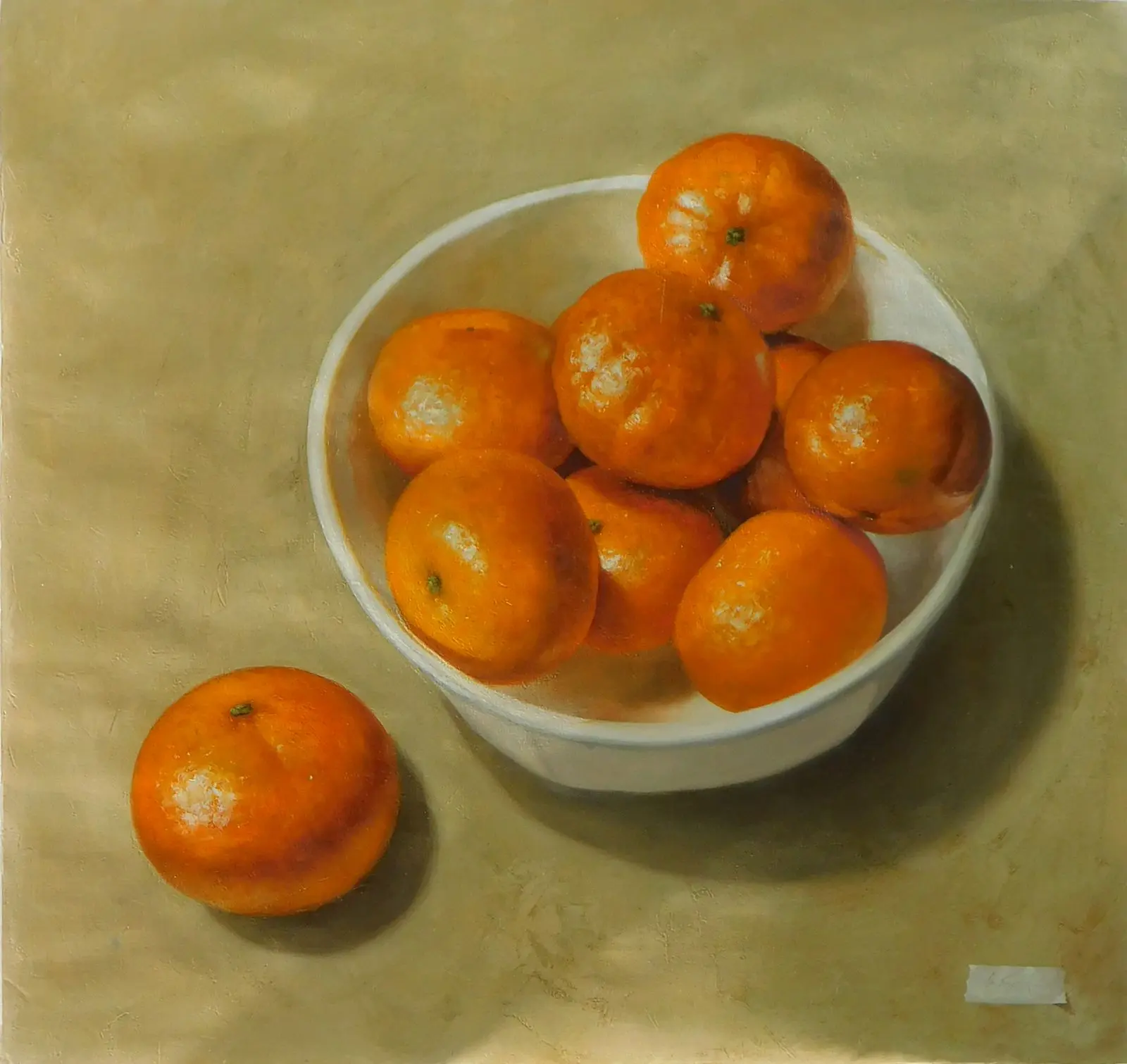
He’s largely self-taught. As a kid he developed an intense relationship with drawing, and during his teens art books and direct contact with Patagonia became his real school. Something stayed with him from those years that he still protects: the freedom to keep searching. He tries not to paint to anyone’s expectations, or to repeat formulas that have worked before, because the work needs time, risk and room to change.
He showed his work for the first time in 1992, at Centro Amancay in San Martín de los Andes, and from there it gradually made its way into the Argentine contemporary art circuit: the Museo Nacional de Bellas Artes in Neuquén, the OSDE Prize, the Argentina Pinta Bien program at the Centro Cultural Recoleta. In 2009 he moved to Buenos Aires and worked with galleries like Maman, Aldo de Sousa, Holz and Zurbáran. Today his work lives in private collections.
What’s interesting about his paintings is what happens to them over time: they don’t wear out quickly. They work more like spaces for contemplation, and depending on the day and on who’s looking, different emotional and symbolic connections start to surface. That’s why they’re best seen somewhere with a bit of calm, where you have time to stop and stay a while. They tend to connect most with people who are sensitive to nature, to inner processes, to images that still hold some mystery. The first time, what they usually leave behind is curiosity and a little bit of strangeness.
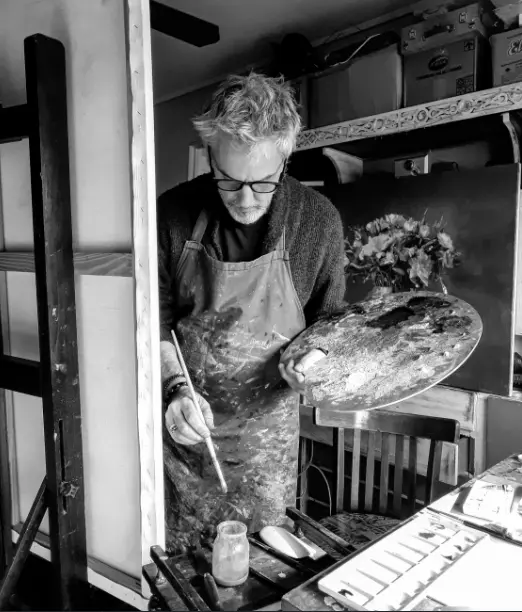
Not long ago, during a residency in Patagonia, he understood again something he already knew but had let slip: a lot of the time, painting shows up precisely when you stop trying to control it completely. Being back in front of those landscapes changed the way he works. That’s what he’s on now paintings where the landscape, the symbols of nature and today’s social tensions all live together, reaching for something freer and more essential. For Fabián, painting can still be a territory of consciousness, mystery and inner transformation, and that’s what he hopes someone takes in the moment they come across one of his canvases.