VICTOR RODRIGUEZ
Artist in NY
About Victor
Victor Rodriguez never considered doing anything else. He says it without nostalgia: some kinds of work aren't chosen, and his was one of them. He's been painting for thirty-five years, never went to art school, and never belonged to a group or a generation and the way he sees it, that's exactly what kept him free. He's never made a single painting to earn money or to win anyone's approval.
He works in acrylic on canvas, always, and follows no set of rules; when a piece calls for something, he uses whatever it needs. Most of them start from memory, or from a stubborn little urge to build an artificial world that gives him a temporary kind of satisfaction, and from the curiosity of applying what he's learned through his own mistakes. When he tries to sum up what he does in one line, he says his paintings are a record of how he experiences being conscious, plus what he thinks a painting should be at the exact moment he's making it.
Beauty Redefined
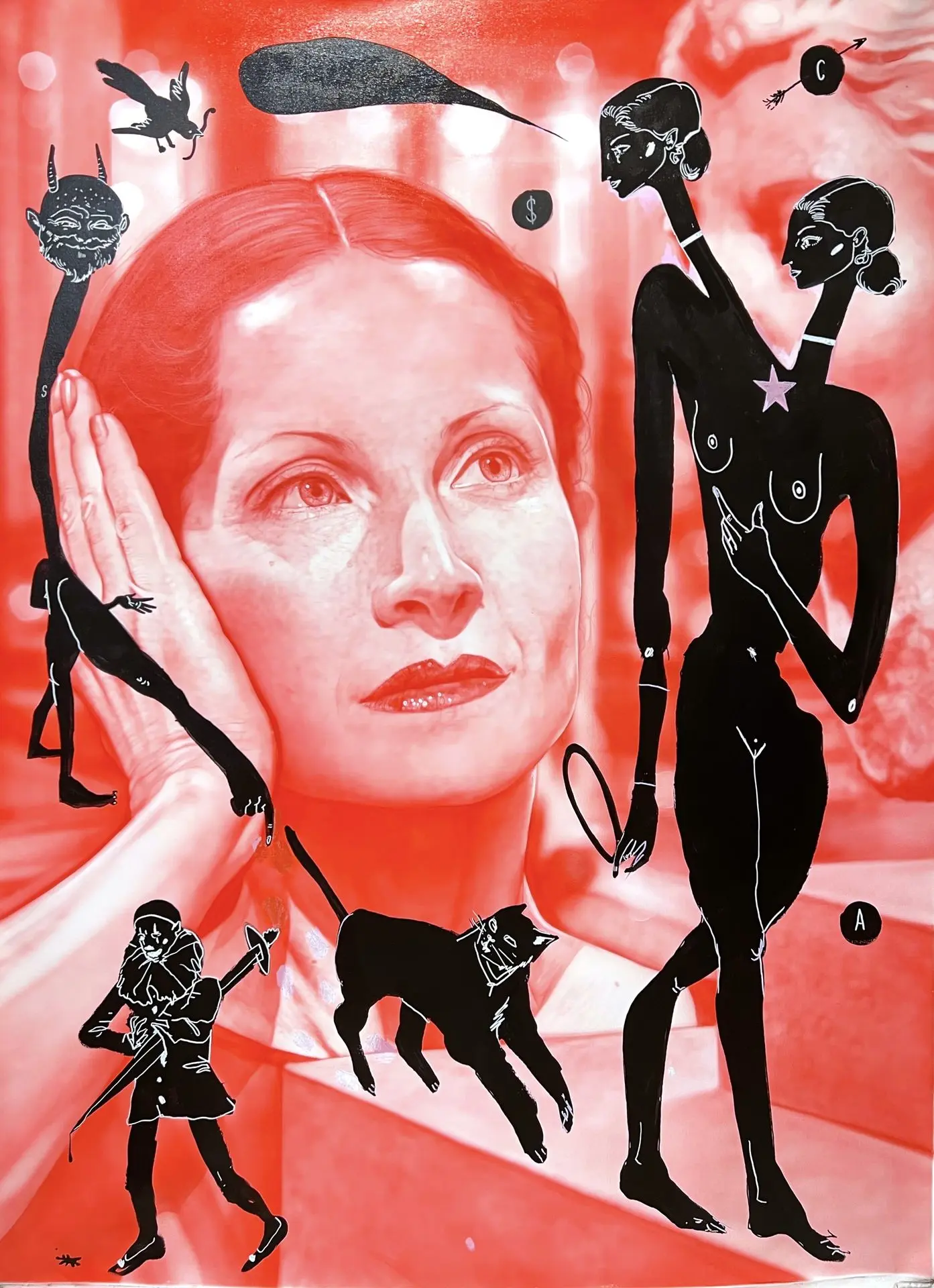
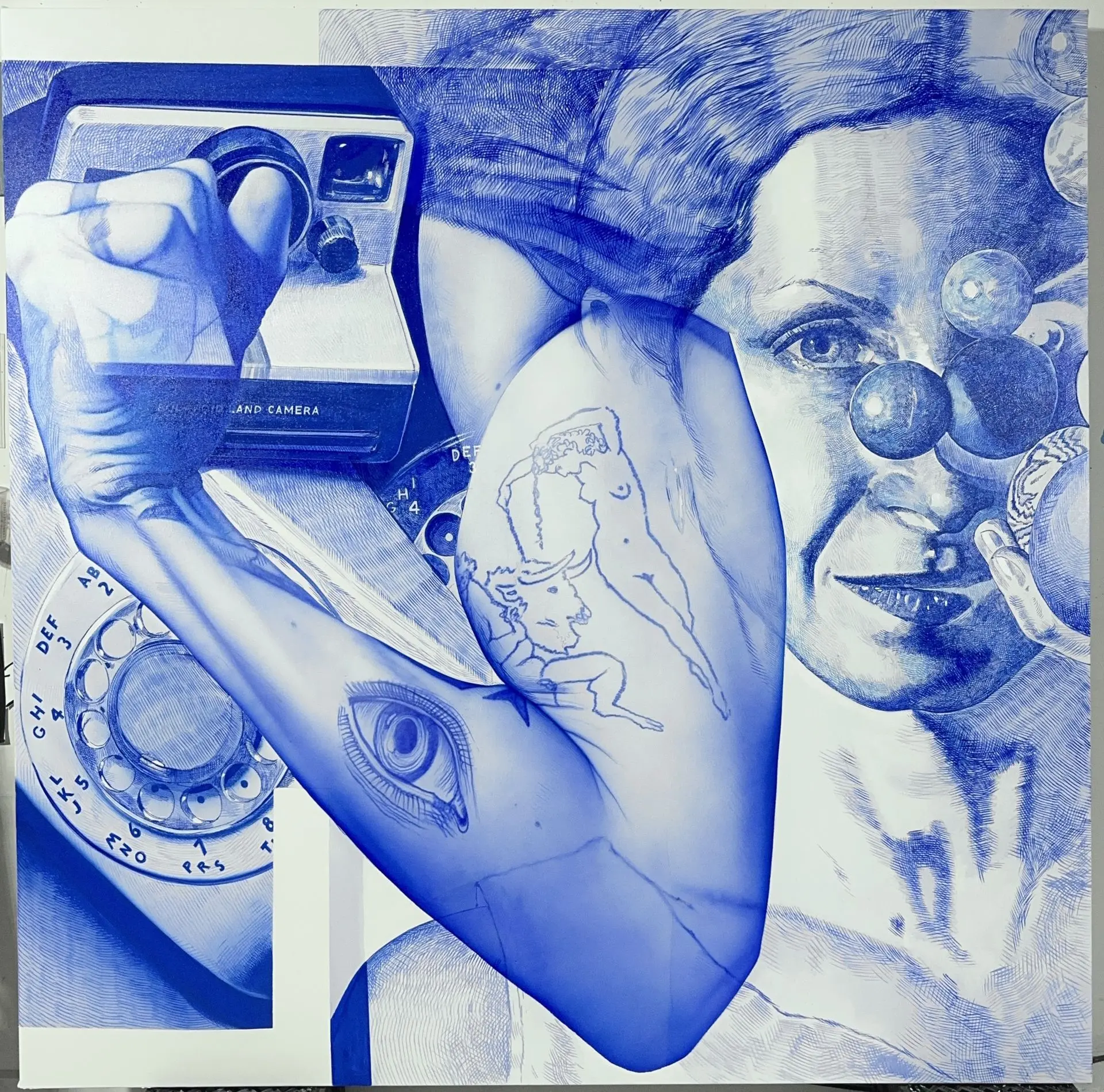
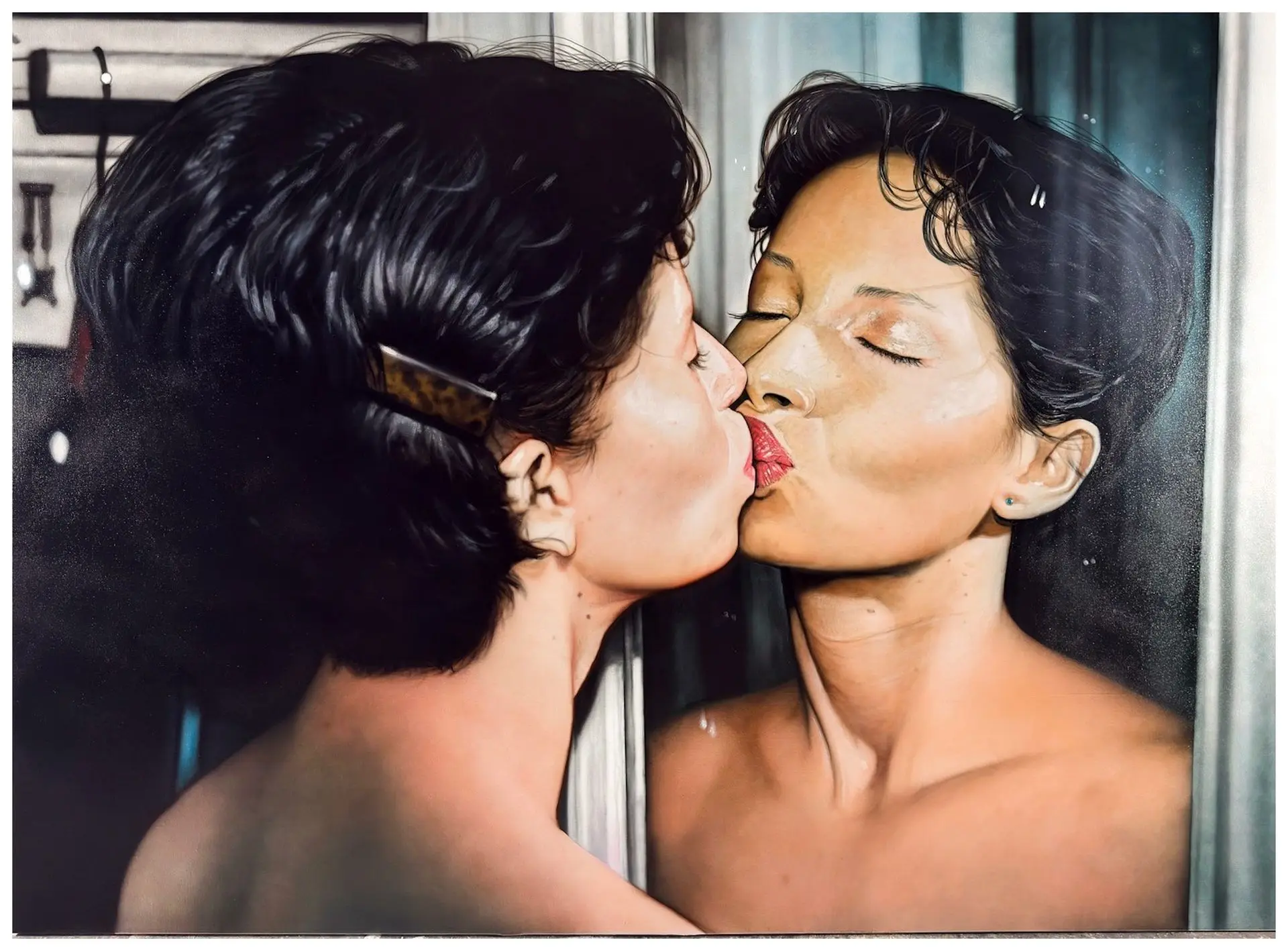
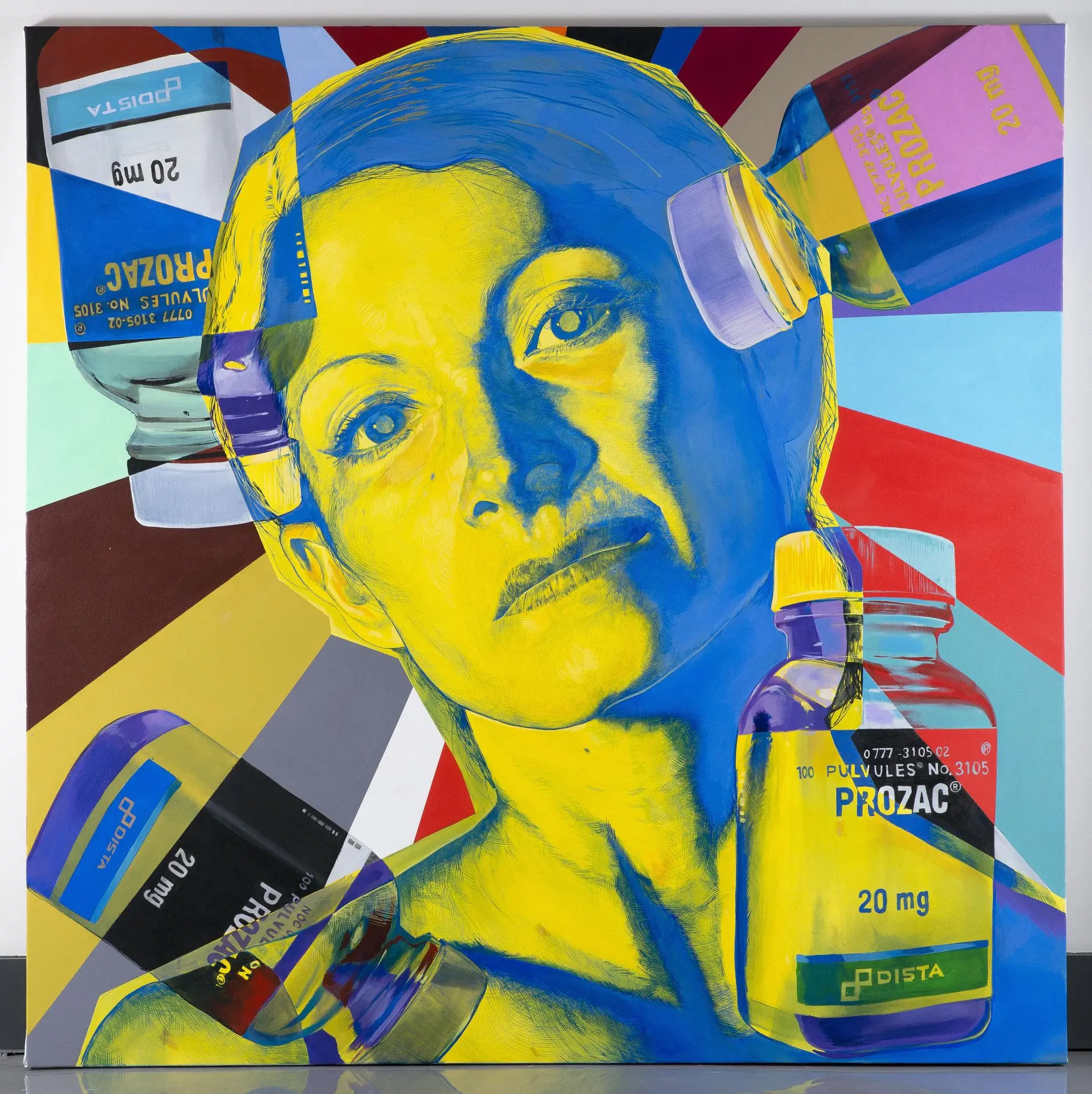
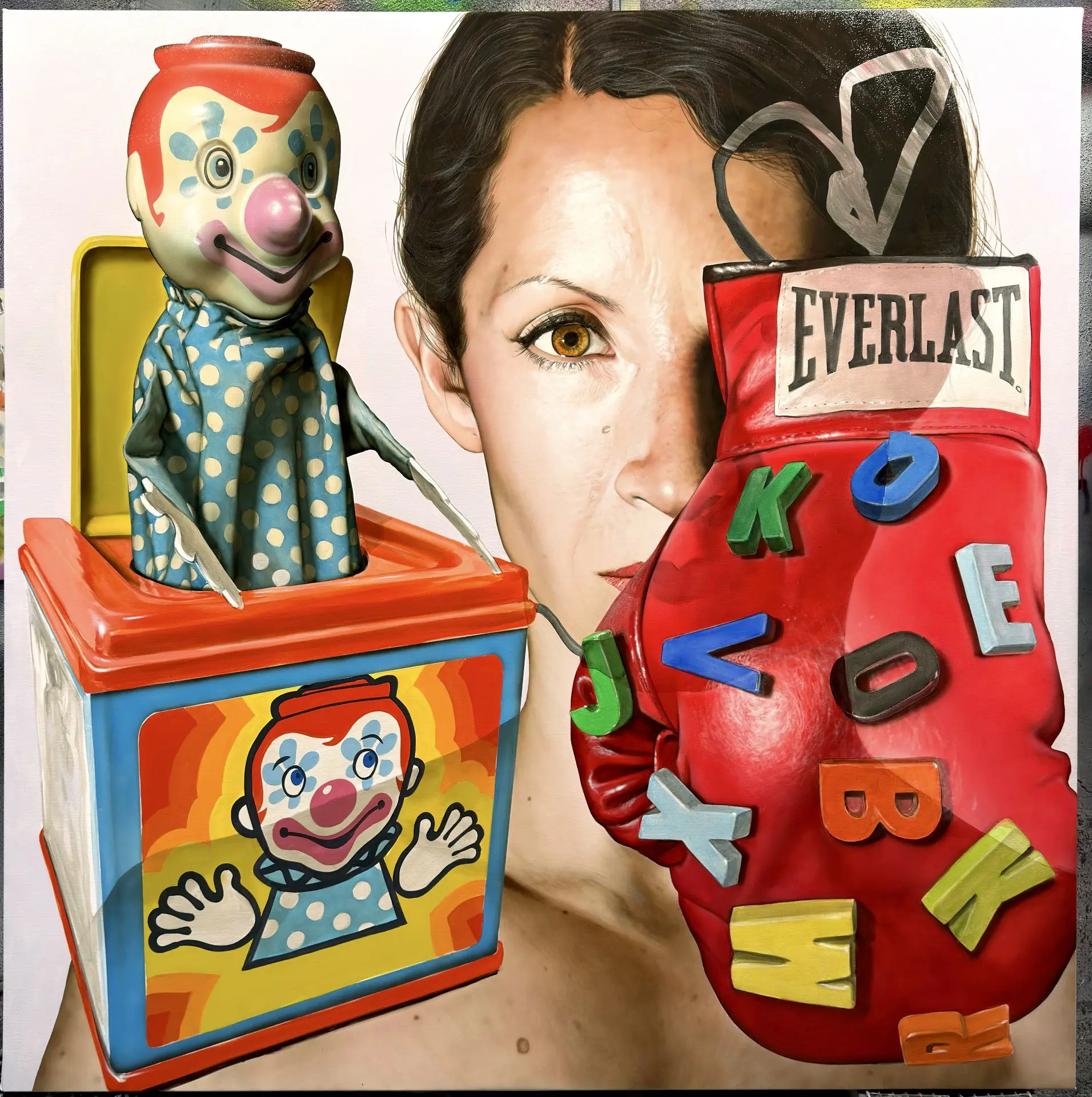
Three things shaped him, and none of them sounds like a résumé. In 1984 he saw Scorsese's After Hours, and from that movie on, all his energy pointed in one direction: living in New York, where he still works. In 1988, in a museum in Lucerne, he stood for two hours in front of a Franz Gertsch painting, one of the few experiences he'd call transcendental. And in 1989, at a friends' place in Mixcoac, he met Maité, who would become his wife and the mother of his daughter. To him, the three weigh the same.
As for how his work gets lived with, Victor has no illusion of controlling it. A painting, he says, is finished by whoever looks at it, and he has neither interest in nor control over that. The range of reactions is enormous: a woman in Panama was genuinely convinced one of his paintings was a portal to the devil. The one thing he can say for sure is that his paintings are hard to ignore; they're not the kind you hang and forget on a wall.
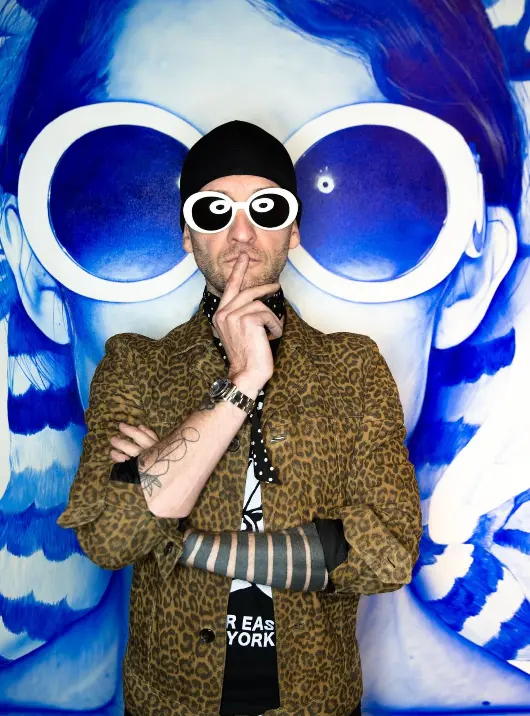
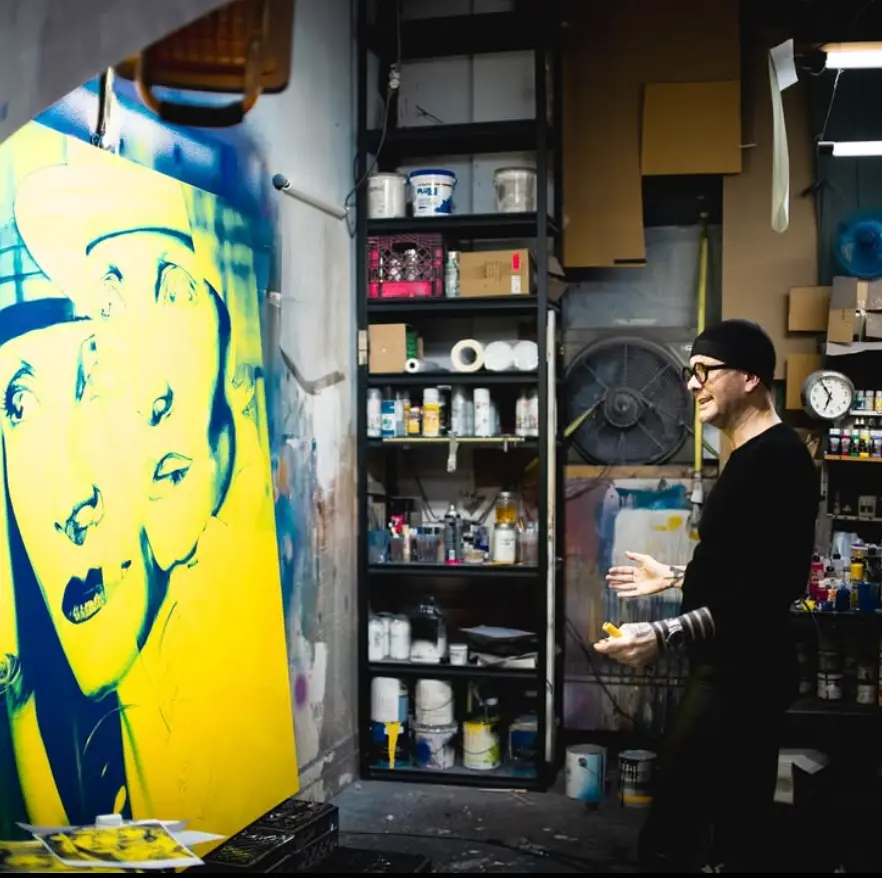
It happens to him often that someone who lives with a piece of his tells him they never imagined what it would come to mean; that they find something new in it every day, that they can't picture parting with it. And the opposite happens too: that same person dies or gets divorced, and the people left behind have no idea what to do with the painting. Once a piece leaves the studio, it has a life of its own. Some end up in unexpected places, others at auction, all of it beyond his reach. Other people's opinions, good or bad, aren't his problem; but it makes him happy when someone gets something good out of what he does.
Right now he works in series, exploring whatever interests him at the moment. He just finished one of monochrome paintings and is into another with polychrome segments. He stays in motion: he's showing at the Volta fair in Switzerland with a Houston gallery; he was recently in Santo Domingo and, before that, at Drexel Galería in Monterrey; and he's in talks with galleries in Madrid and Mexico City. Over these thirty-five years he's had around a hundred and fifty shows, group and solo, and the one that means the most to him is the 2009 exhibition at MARCO in Monterrey, a survey of ten years of work.
If there's one thing he'd want understood the first time you come across his work, it's that Mexican contemporary art is broader and richer than people think. His painting, made far from the schools and the groups, stubborn and on his own terms, is one of the proofs.