Muzaluci
Brand
About Muzaluci
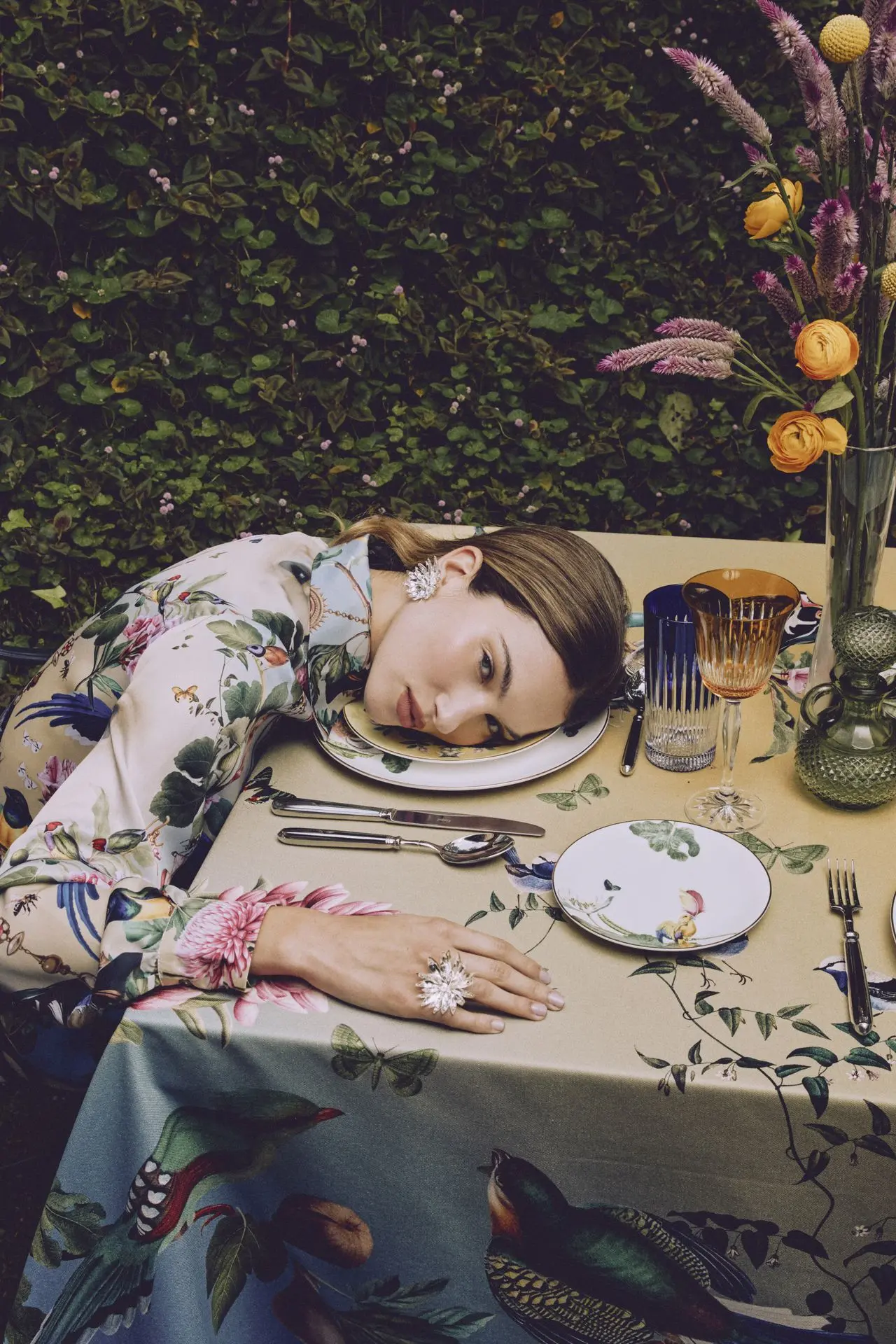
Muzaluci starts with its name, which fuses two Spanish words museo and alucinaciones and tells you up front what it’s about: a museum of hallucinations, printed onto fabric. Its prints look like they came out of a botanical dream, with flowers that hide something inside them, a seahorse kissing a little bird, scenes you don’t quite take in at first glance. Those designs live on pajamas, on scarves, on placemats and napkins, on pieces for the home. The brand was born in Bogotá, and from the start it set itself against what it saw around it: minimalism taken to the extreme, simplicity with nothing left to look at, fabrics nobody bothered to give a story anymore.
What sets it apart is that every print is its own. It doesn’t use generic graphics or copy the pattern of the season; each collection starts from research botany, art, a bit of surrealism and out of that come original illustrations that later become fabric. Working this way is slower and more expensive, and that’s exactly what the brand protects, even when it costs. That’s why its pieces don’t look like anything else, and why they hold up over the years without feeling dated.
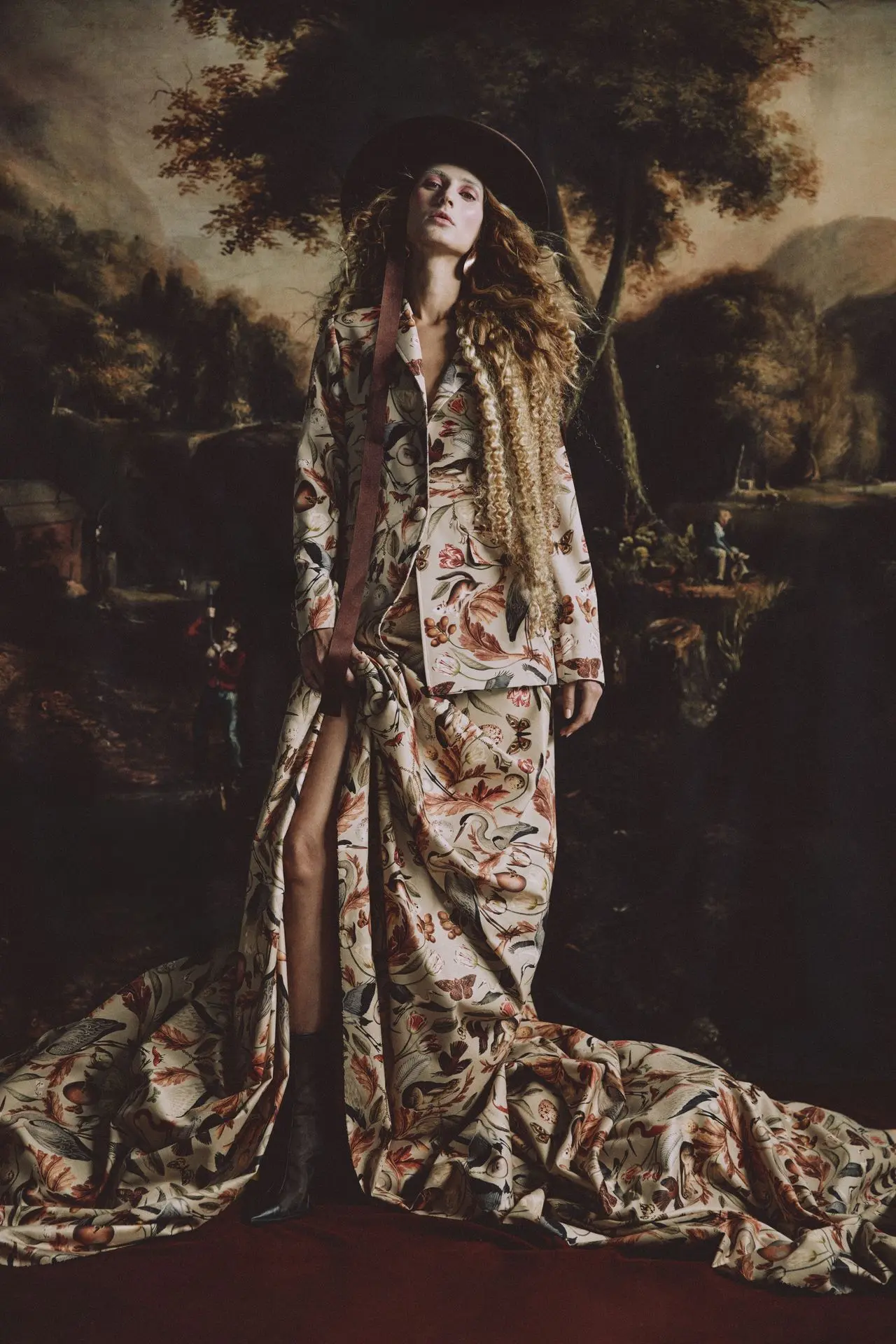
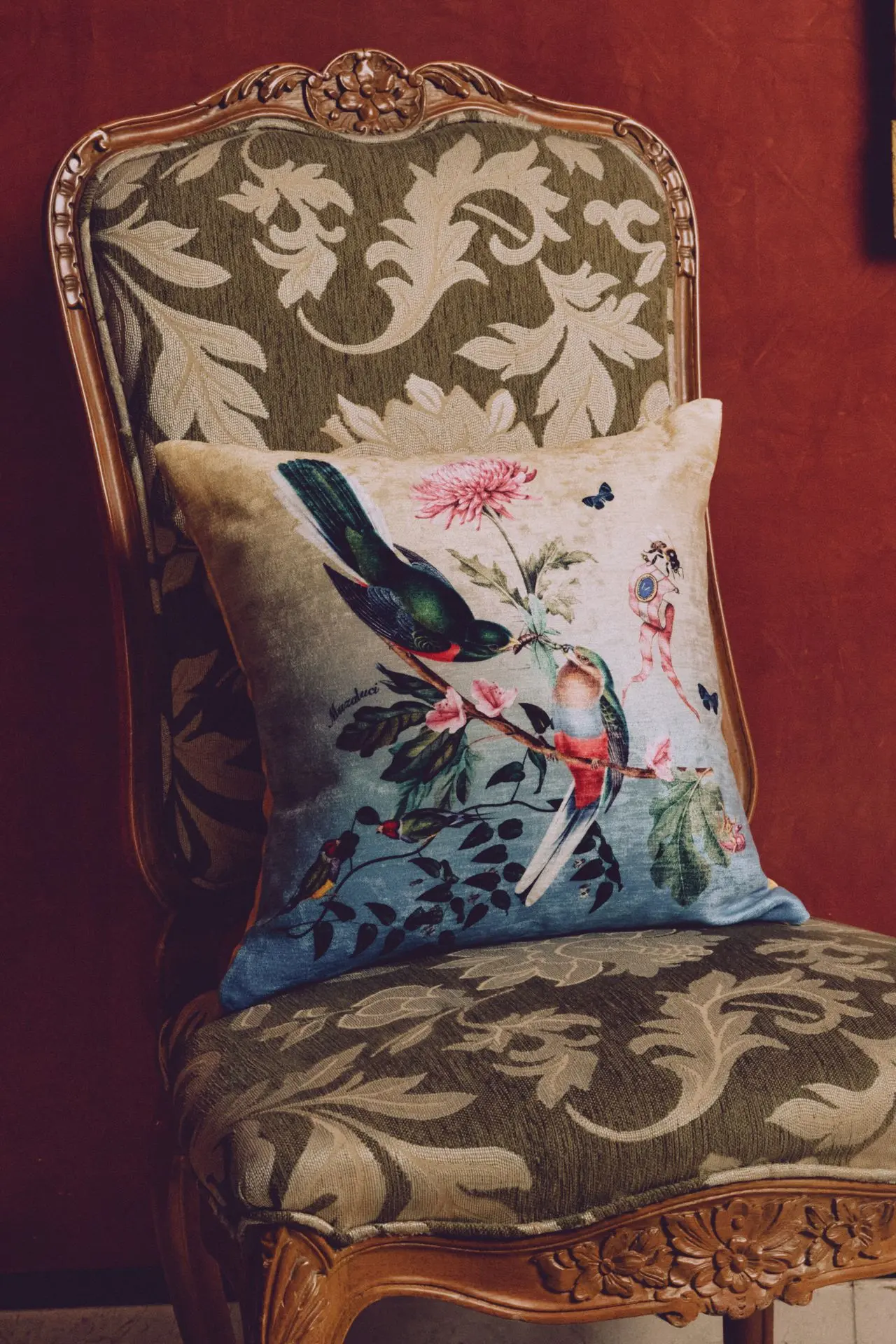
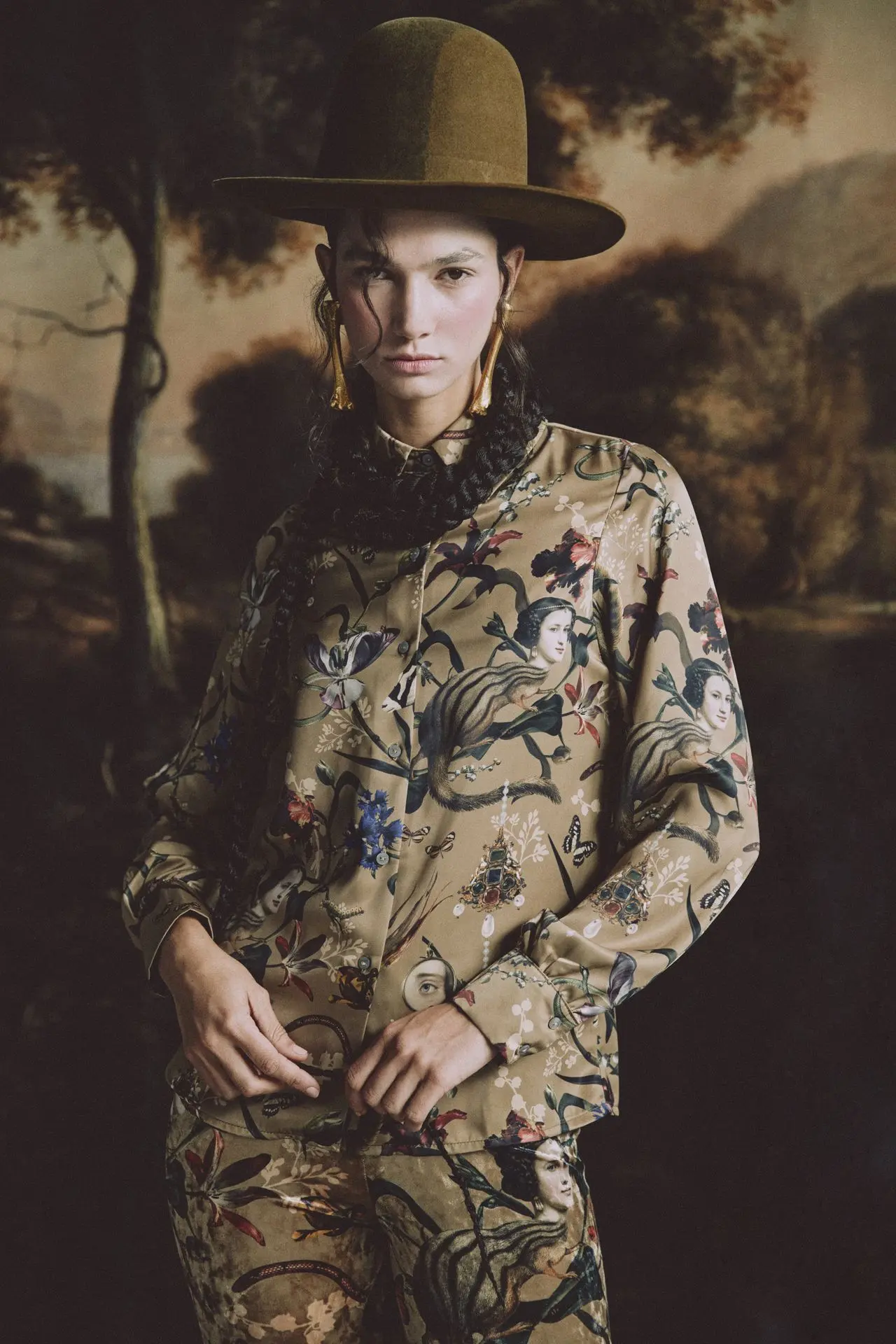
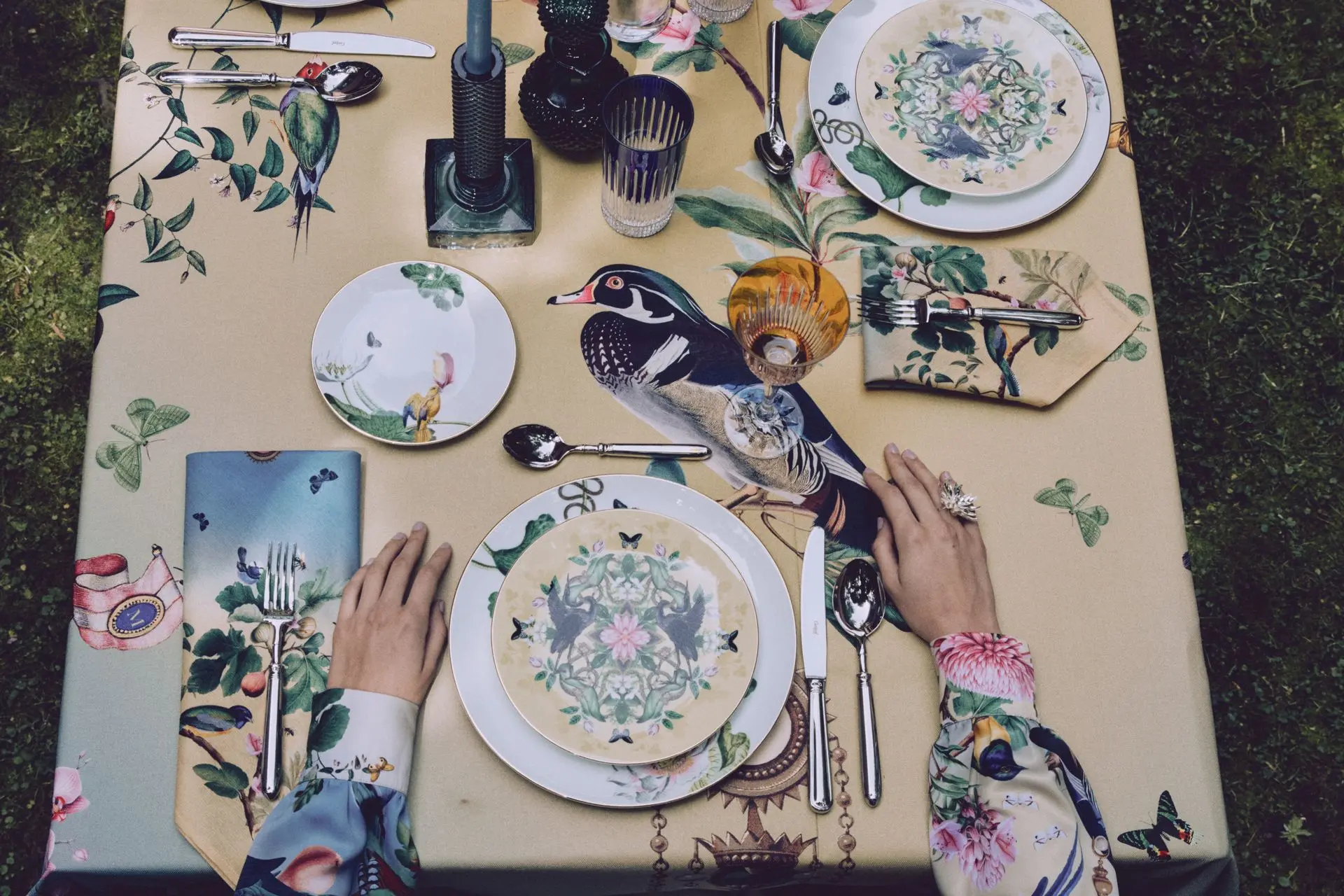
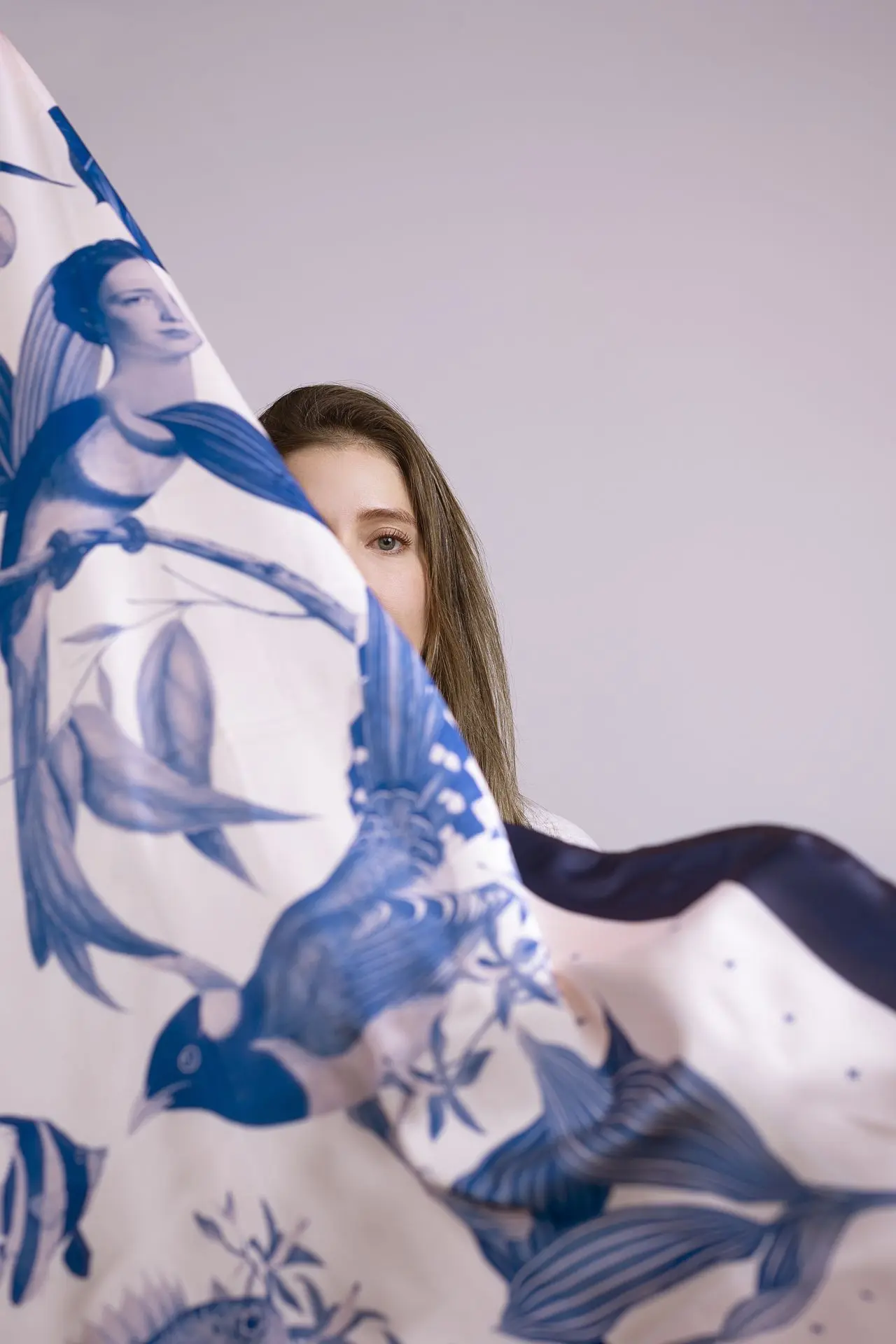
The detail a good eye catches is the depth. From a distance they grab you with color; up close, layers start to appear hidden references, compositions carrying small stories inside the graphic. They’re made to be discovered many times, not admired once, and the care with color and printing is part of that: a good design deserves to be reproduced with the same intensity it was imagined.
Wearing them, or living with them, feels much the same. It comes in through the eyes first, through color and detail; then through touch, the softness of the fabric and the quality of the finishing. And then something simpler happens: the space changes. A table set with its placemats stops being a table and becomes a scene; a pajama set stops being sleepwear and becomes a way of being at home. Whoever wears it doesn’t go unnoticed, and more often than not it ends up prompting a question, a conversation.
There’s a lineage behind all this. More than a century ago, William Morris argued for exactly this: that everyday objects deserved beauty and meaning, with his botanical compositions and his craftsman’s stubbornness, right in the middle of industrial mass production. Muzaluci comes from that place a love of detail, of things made with intention, of the romantic maximalism that would rather fill the eye than empty it.
It connects most with someone who already has her own taste and would rather surround herself with things that carry a story than with the trend of the moment. People who travel, who walk into galleries, who go out of their way to see gardens, who have friends over and enjoy setting a mood. It isn’t for whoever wants the purely functional or the cheapest option; it’s for someone who understands that beauty, in everyday life, isn’t decorative luxury but a way of living better.

At the Bogotá store they tell a story they’ve never forgotten. One morning a woman walked in holding a Muzaluci scarf, sat down, and stayed a while taking in the room. When they came over, she told them her daughter had followed the brand for years and saw herself in those prints; that after an illness she had died, and that one of the last things she asked for was to be buried with one of those scarves. It wasn’t a sale or a campaign. It was the day they understood that a piece can end up woven into someone’s life in ways no one plans.
That, in the end, is what Muzaluci stands for: that beauty is worth more when it carries a story inside it. Its pieces aren’t made for a season or to fall out of fashion; they’re made to stay, to be rediscovered every so often, to keep company with the everyday life of whoever chooses them. That’s why they have a place in The Ėditure: objects with a soul, the kind that change a space simply by entering it.