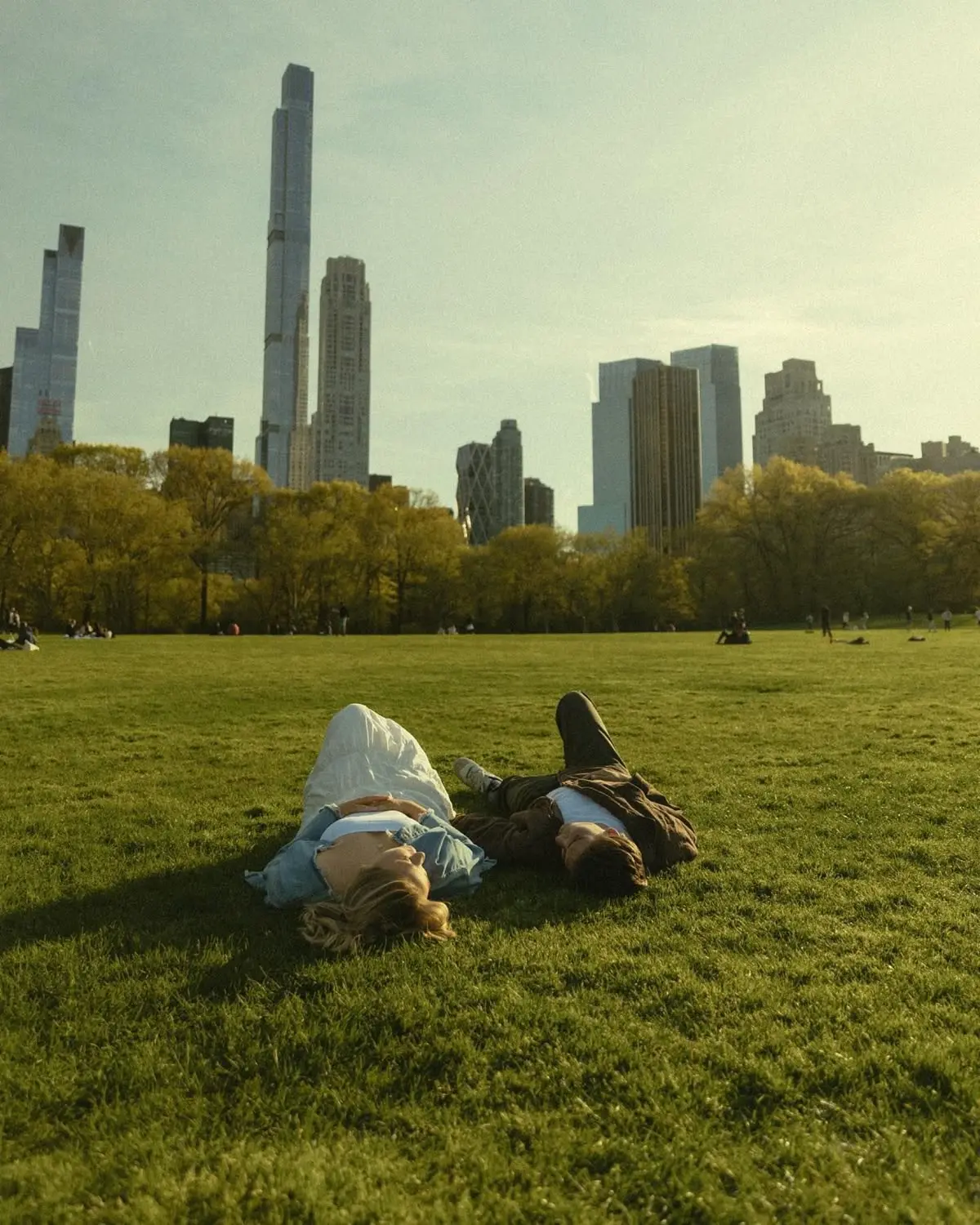
Central Park looks like nature, but almost nothing in it arrived on its own. The meadows, the lake, the soft hills, even those woods that feel wild in the middle of Manhattan: all of it was put there on purpose. It's one of the most visited places in the world and also one of the most misunderstood, because people walk through it assuming it's a piece of countryside the city decided not to build on. It's the opposite. It's one of the most ambitious works of design ever made, dressed up as something that simply happened.
By the middle of the nineteenth century, New York was growing with no brakes and didn't have a single large green space to breathe in. Families with money traveled to London and Paris and came back talking about Hyde Park, the Bois de Boulogne, that idea that a serious city needs its great public park. The pressure kept building until the state authorized buying a huge stretch of land in the center of the island, rocky, swampy ground that back then sat almost on the outskirts.
The land wasn't empty. People lived there, most of all a community known as Seneca Village, founded in 1825 and made up largely of African American families who were among the few in the city to own their own land, with their houses, their churches and a school. The records say that close to sixteen hundred people were displaced to make room for the park. It's the part of the story almost no one sees while walking through, and it's worth keeping in mind.
The design came out of a competition. Frederick Law Olmsted and Calvert Vaux won it with a plan they called Greensward, and the bet was clear: make difficult ground look like a perfect natural landscape. They moved absurd amounts of earth, planted hundreds of thousands of trees and shrubs, left Manhattan's ancient rock exposed where it worked, and even sank the roads that cross the park so the traffic wouldn't break the illusion. Every view is composed, like a painting you can walk through.
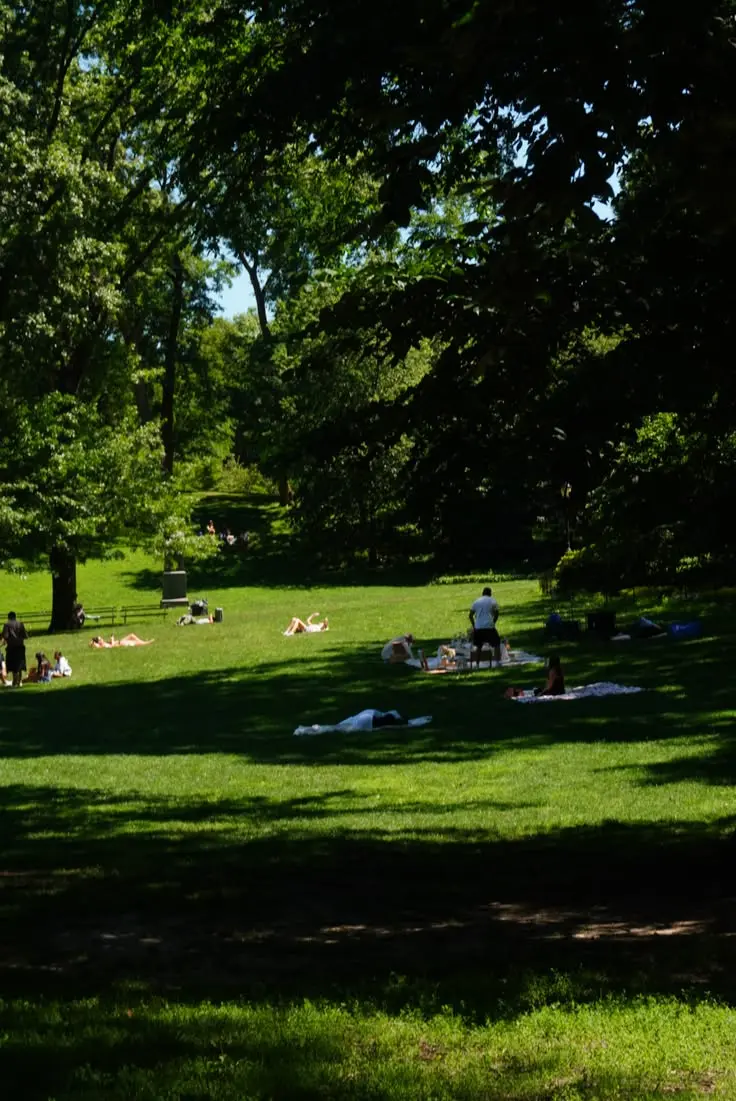
There was an idea behind all of it, not just the wish for something pretty. Olmsted thought of the park as a place for everyone, where the woman who cleaned houses and the woman who lived on Fifth Avenue might walk across the same lawn on a Sunday. The lungs of the city, they called it. At a time when greenery was almost a rich person's luxury, dropping something this big and open into the heart of Manhattan was a way of saying that air, quiet and grass were public things too.
Walking it, you realize each zone was designed to feel different. There's the Mall, the only straight line in the whole park, an allée of towering elms that leads right to Bethesda Terrace, the heart of the place and almost the only piece of formal architecture: a terrace with its fountain, the Angel of the Waters, built as the city's open-air great hall. A few steps away are the Lake and Bow Bridge, the bridge that shows up in a thousand photos without most people knowing its name. And farther in there's the Ramble, a woodland made on purpose for getting lost, with paths that curl back on themselves so you can't quite tell where you are, in the middle of Manhattan.
Among all of it there are pieces worth the detour. The obelisk people call Cleopatra's Needle is Egyptian and more than three thousand years old, which makes it by far the oldest thing in the park and in almost everything around it. Strawberry Fields is the corner devoted to John Lennon, with the Imagine mosaic set into the ground, next to the building where he lived. And in summer, at the Delacorte, they stage Shakespeare outdoors and for free, one of those things that genuinely make the city's August heat worth it.
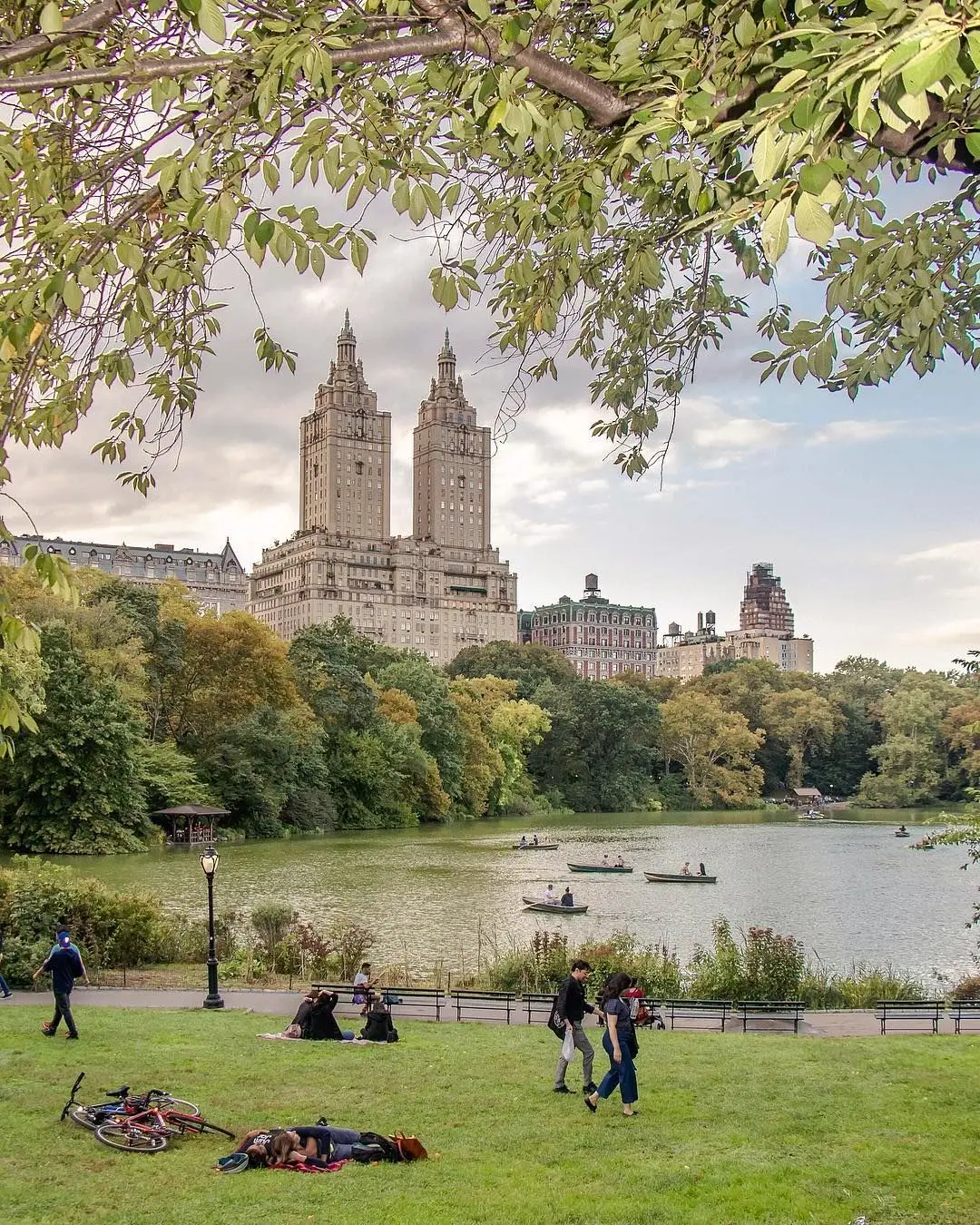
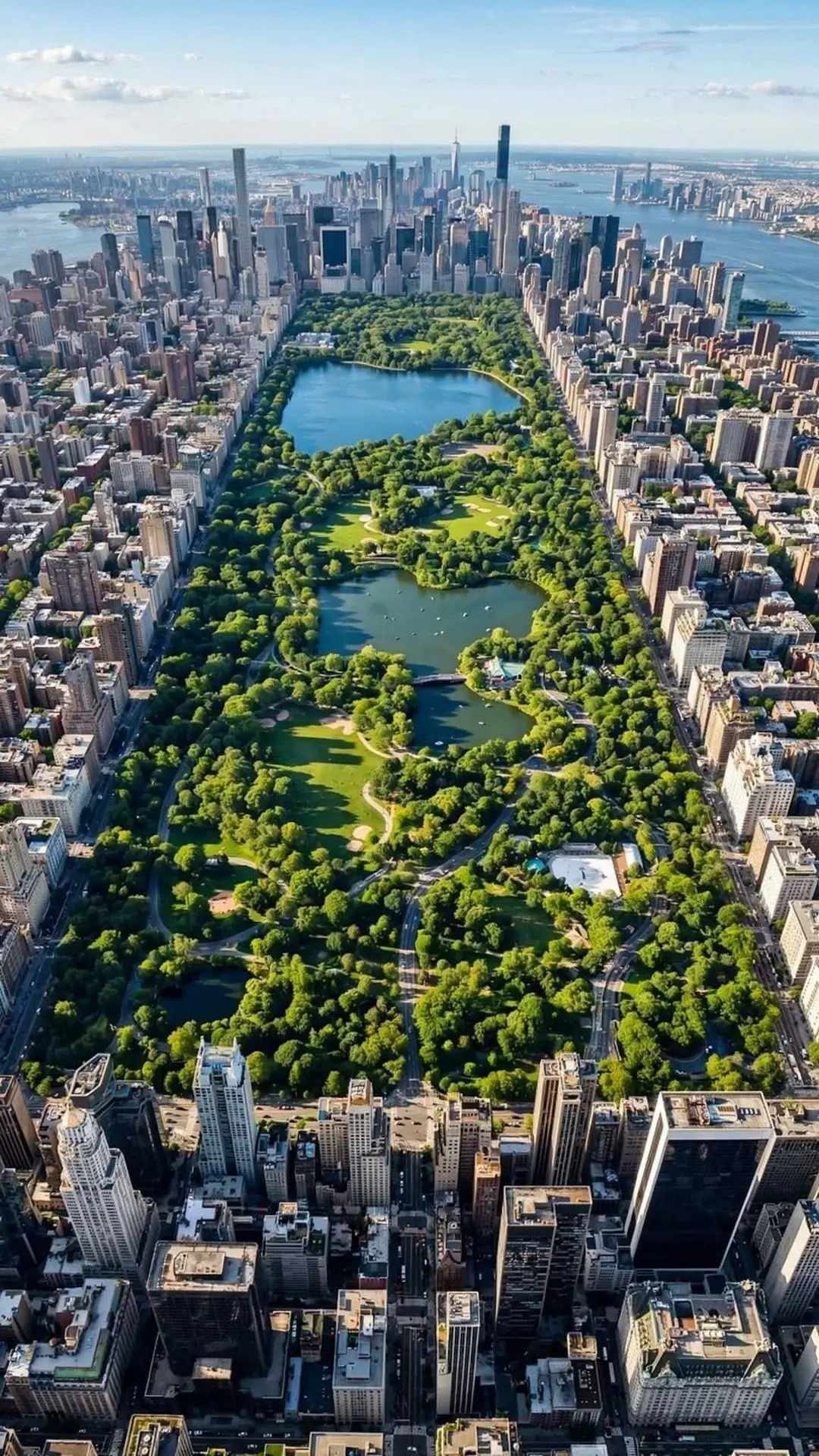
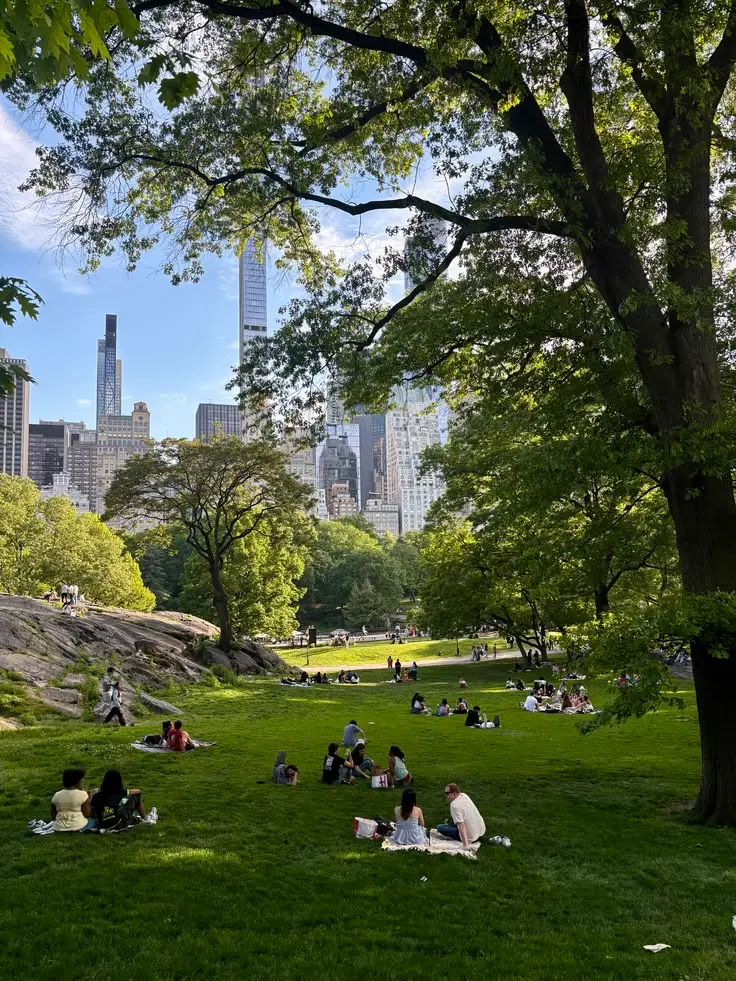
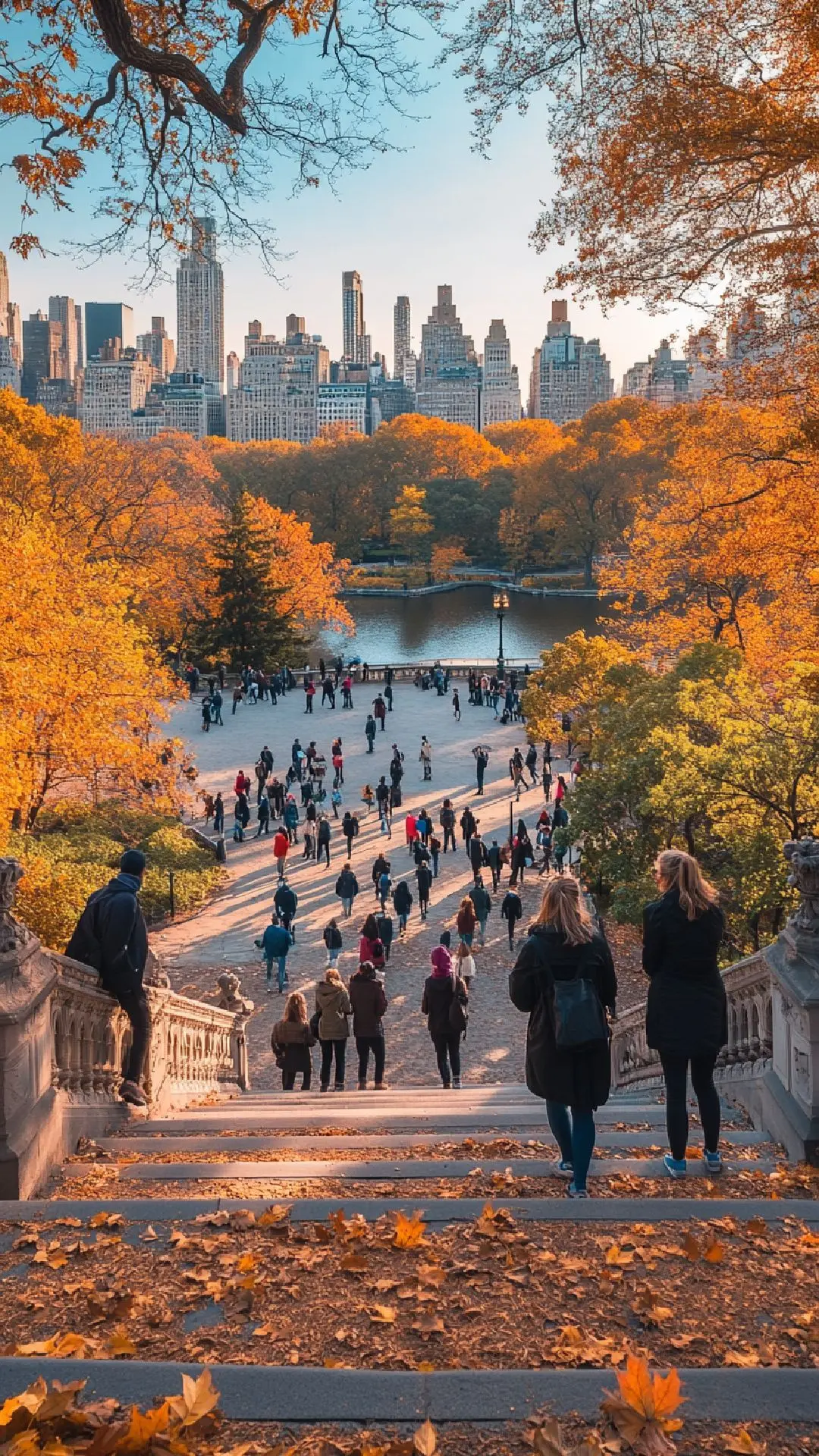
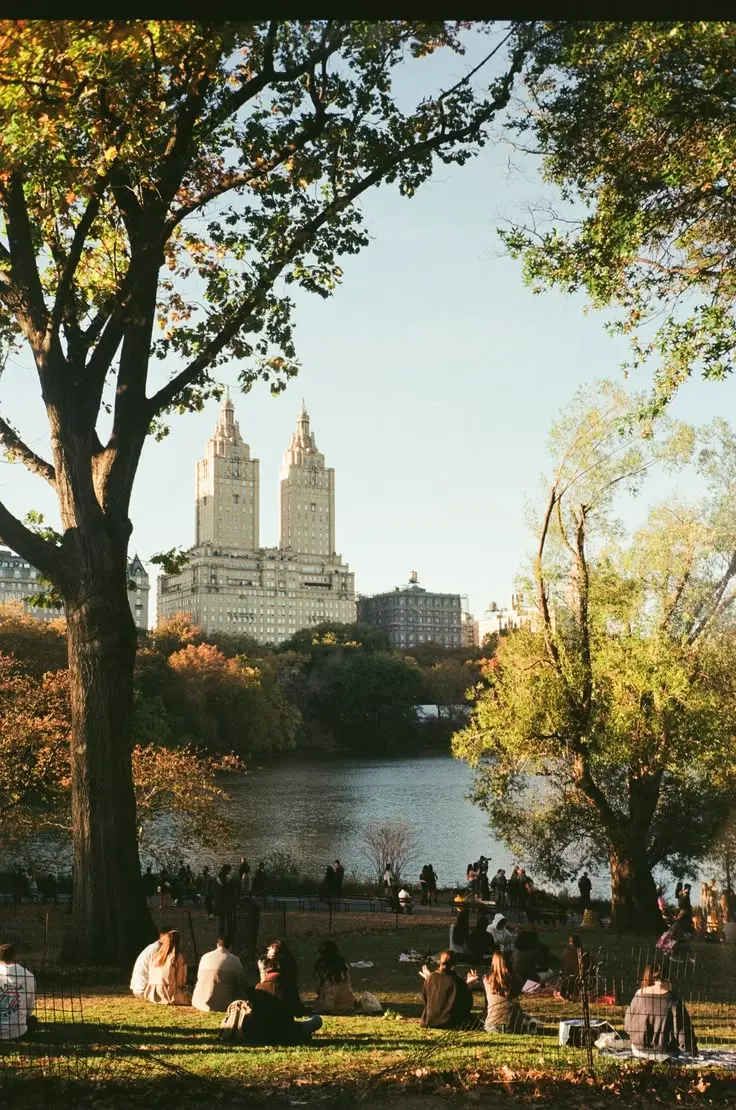
The park was finished in pieces, and by 1876 it was nearly complete. Today, ringed by some of the most expensive square footage on the planet, it still works exactly the way they imagined. People run the loop around the reservoir, row on the Lake, sprawl across Sheep Meadow on a sunny Sunday, and for a while they forget they're standing on one of the most built-up islands in the world. Knowing none of it is an accident, that every hill and every curve of the lake was decided by someone, doesn't take away the magic. It does the opposite. You start to walk differently once you understand you're inside something someone dreamed up whole.